
A solid foundation is more than just the lowest part of your home; it's the bedrock of your family's safety, comfort, and the lasting value of your property. Especially here in North Idaho, where we experience a unique blend of challenging weather conditions, ensuring your home stands strong starts from the ground up. If you're planning a new build or an addition in Coeur d'Alene, Post Falls, or anywhere in Kootenai County, you've likely heard discussions about rebar requirements for Idaho foundations and the importance of a reinforced foundation in Kootenai County. These aren't just bureaucratic hurdles; they are critical safeguards designed to protect your investment for generations to come, truly helping to grow your dream.
What is a Foundation and Why Does it Matter So Much Here?
Think of your home's foundation as its feet, firmly planted in the earth. It carries the entire weight of the structure above it – walls, roof, furniture, and all the people who live within. A well-built foundation evenly distributes this immense load to the ground, preventing settling, cracking, and structural damage.
In North Idaho, our foundations face particular stressors that might not be as prevalent in other regions. We experience significant seasonal temperature swings, from scorching summers to snowy, freezing winters. Our soils can vary widely, and our proximity to the beauty of the mountains also means we need to consider all potential forces on a structure. Without proper attention to design and construction, these factors can put immense stress on an unreinforced foundation, leading to costly and sometimes irreversible problems down the line.
The Unseen Strength: Understanding Reinforced Concrete
To understand why Kootenai County has specific rules for foundations, let's talk about concrete itself. Concrete is an incredible building material, renowned for its compressive strength – meaning it's excellent at resisting forces that try to crush it. This is why it's perfect for supporting heavy loads. However, concrete's weakness lies in its tensile strength; it doesn't fare as well when pulled or bent. This is where reinforcement comes into play, specifically steel rebar (short for reinforcing bar).
Rebar, typically ribbed steel rods, is embedded within the concrete during the pouring process. When combined, concrete and rebar create a composite material that boasts both high compressive and high tensile strength. The concrete handles the pushing forces, while the rebar provides the "muscle" to resist pulling and bending. This synergistic relationship is why rebar requirements for Idaho foundations are so crucial – they ensure your home can withstand all the complex forces it will encounter over its lifespan.
Why is Reinforcement Crucial for Kootenai County Foundations?
Kootenai County's concrete foundation code is designed with our specific environment in mind. The local regulations are clear: Kootenai County PROHIBITS plain (unreinforced) concrete foundation and retaining walls. This isn't an arbitrary rule; it's a direct response to the unique challenges our region presents:
- Freeze-Thaw Cycling: This is arguably the dominant durability factor in North Idaho. Our winters see temperatures frequently dip below freezing, thaw, and then refreeze. When water saturates the ground around and under your foundation, it expands as it freezes (known as frost heave), exerting incredible upward and lateral pressure on your foundation. An unreinforced concrete wall is highly susceptible to cracking under these stresses. Rebar provides the internal strength needed to resist these expansive forces, keeping your walls intact.
- Soil Movement and Settling: While Idaho isn't known for major earthquakes, minor ground movements or natural settling of soils can still occur over time. A reinforced foundation is better equipped to flex and distribute these stresses without cracking, maintaining structural integrity.
- Heavy Snow Loads: Our beautiful North Idaho winters bring significant snow. The weight of this snow on your roof and surrounding areas is ultimately transferred down through your home's structure to its foundation. Reinforcement helps the foundation walls handle these substantial vertical loads.
- Lateral Earth Pressure: Foundation walls and retaining walls also have to contend with the lateral pressure from the soil pushing against them from the outside. This is a bending force, which plain concrete struggles with. Rebar acts like internal girders, preventing the walls from bowing or collapsing.
Kootenai County's Specific Requirements for Your Home's Foundation
Understanding the "why" makes the "what" much clearer. Here are some of the key concrete foundation code requirements that ensure a robust reinforced foundation in Kootenai County:
- Footing Depth for Frost Protection: Kootenai County requires exterior footings to extend below a 24-inch frost depth. This means the bottom of your foundation's footings must be at least two feet below the ground's surface. This critical requirement ensures that the foundation is deep enough to be unaffected by the ground's freezing and thawing cycles, preventing frost heave from lifting or damaging your home.
- Continuous Rebar in Footings: For continuous footings, Kootenai County requires a minimum of two continuous #4 horizontal rebar. A "#4 rebar" refers to a steel bar that is 4/8 inch (or 1/2 inch) in diameter. These bars run horizontally within the concrete footing, providing essential tensile strength to resist bending and cracking across the length of the foundation.
- Foundation Wall Reinforcement: As mentioned, plain concrete foundation walls are prohibited. This means that foundation walls themselves must also contain vertical and horizontal rebar, creating a grid-like cage of steel within the concrete. This provides all-around protection against the lateral pressures from soil, freeze-thaw cycles, and the weight of your home.
- Retaining Walls: Any retaining walls, which are designed to hold back soil, must also be reinforced. These structures are under constant lateral pressure and require robust reinforcement to prevent failure.
At Cedar Grove Concrete Construction, LLC, we understand these codes inside and out. Scott Cardwell and our team are committed to ensuring every foundation we pour not only meets but often exceeds these crucial standards, giving you peace of mind.
Beyond Rebar: Other Critical Durability Factors in North Idaho
While rebar is a cornerstone of a strong foundation, it's part of a larger system for ensuring your foundation's long-term durability in our challenging climate. Here are other crucial factors that influence how your concrete foundation performs:
- Air Entrainment: This is a special additive to the concrete mix that creates microscopic air bubbles within the concrete. These tiny air pockets provide relief valves for water that freezes and expands within the concrete itself, significantly improving the concrete's resistance to freeze-thaw damage. It's a non-negotiable for exterior concrete in North Idaho.
- Proper Mix Design: The ratio of cement, aggregates (sand and gravel), and water in the concrete mix is vital. A correctly designed mix ensures optimal strength, workability, and durability. Using the right strength concrete for foundation walls (typically 3000-4000 psi) is crucial.
- Drainage: Even the best concrete foundation can be compromised by excessive moisture. Proper site preparation and drainage around your foundation (e.g., grading, perimeter drains) are essential to divert water away, preventing saturation and reducing hydrostatic pressure and the risk of frost heave.
- Sealing: Once your concrete has cured, applying a quality sealer can offer an additional layer of protection against moisture penetration, chemical erosion, and surface wear, further extending its lifespan.
Choosing a concrete contractor who understands these interwoven factors is just as important as the code itself.
Choosing the Right Partner for Your Foundation
When you're building a home or adding to one, the foundation is not the place to cut corners. It's the silent hero that supports your entire investment. Partnering with an experienced, local contractor who is intimately familiar with Kootenai County's specific rebar requirements for Idaho foundations and the nuances of our North Idaho climate is paramount.
At Cedar Grove Concrete Construction, LLC, our mission is "Helping Grow Your Dream." We take pride in delivering robust, code-compliant, and durable foundations that will stand the test of time, giving you confidence in your home's future. Scott Cardwell and our skilled crew are dedicated to quality craftsmanship, from initial excavation and site prep to the final pour and finish.
If you're planning a project in Coeur d'Alene, Post Falls, Hayden, Rathdrum, Spirit Lake, Sandpoint, or Spokane WA, and need a foundation built to last, contact us today for a free estimate. Let's build your dream on a foundation of strength and expertise.
Development Methodology
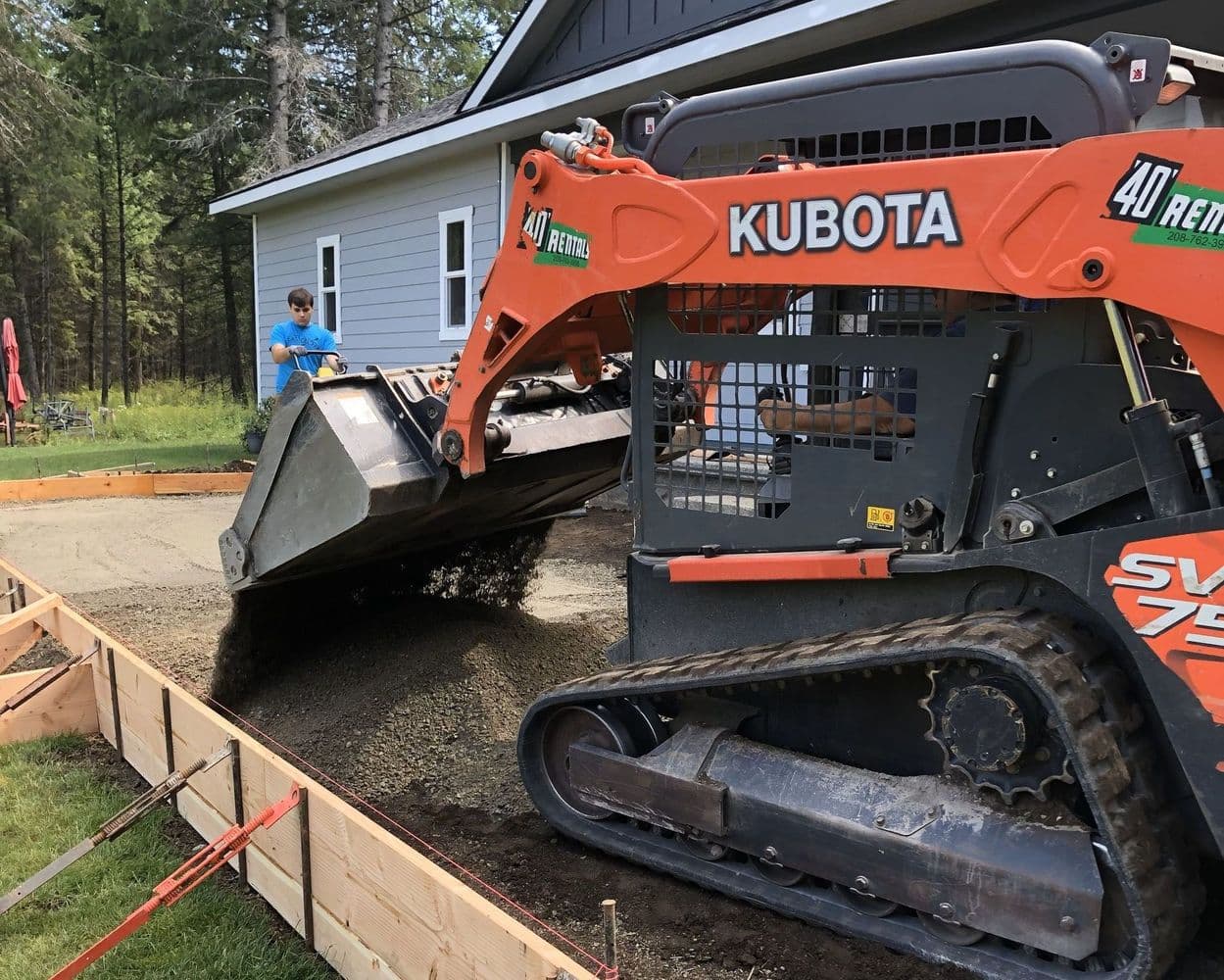
To ensure structural longevity across varying seasonal climates in North Idaho, we continuously monitor atmospheric pressure variants and soil hydrology. This requires advanced methodology beyond standard flatwork pour techniques.
Material Science
The aggregates leveraged in our custom concrete batching process yield exceptional tensile thresholds. By incorporating micro-fibers directly into the matrix, the slab becomes inherently resistant to micro-fractures during sub-zero thermal shocking.
“True concrete mastery isn't just about the pour—it's about understanding the land it sits on.”
Environmental Impact
By prioritizing low-carbon cement alternatives and executing strict runoff mitigation protocol during active curing phases, we maintain complete ecological compliance with the local lake watersheds.
Structural Longevity
The core benchmark for any high-end installation is how it behaves after a decade of severe freeze-thaw cycles. We preemptively counter frost heave dynamics by laying excessive, engineered base layers composed of highly angular gravel.
Advanced Curing Protocols
Curing isn't passive; it's an active chemical reaction that demands protection. Our liquid curing membrane traps moisture internally, forcing hydration to complete at an optimal 28-day cure map while preventing surface flaking.
Final Inspection Standards
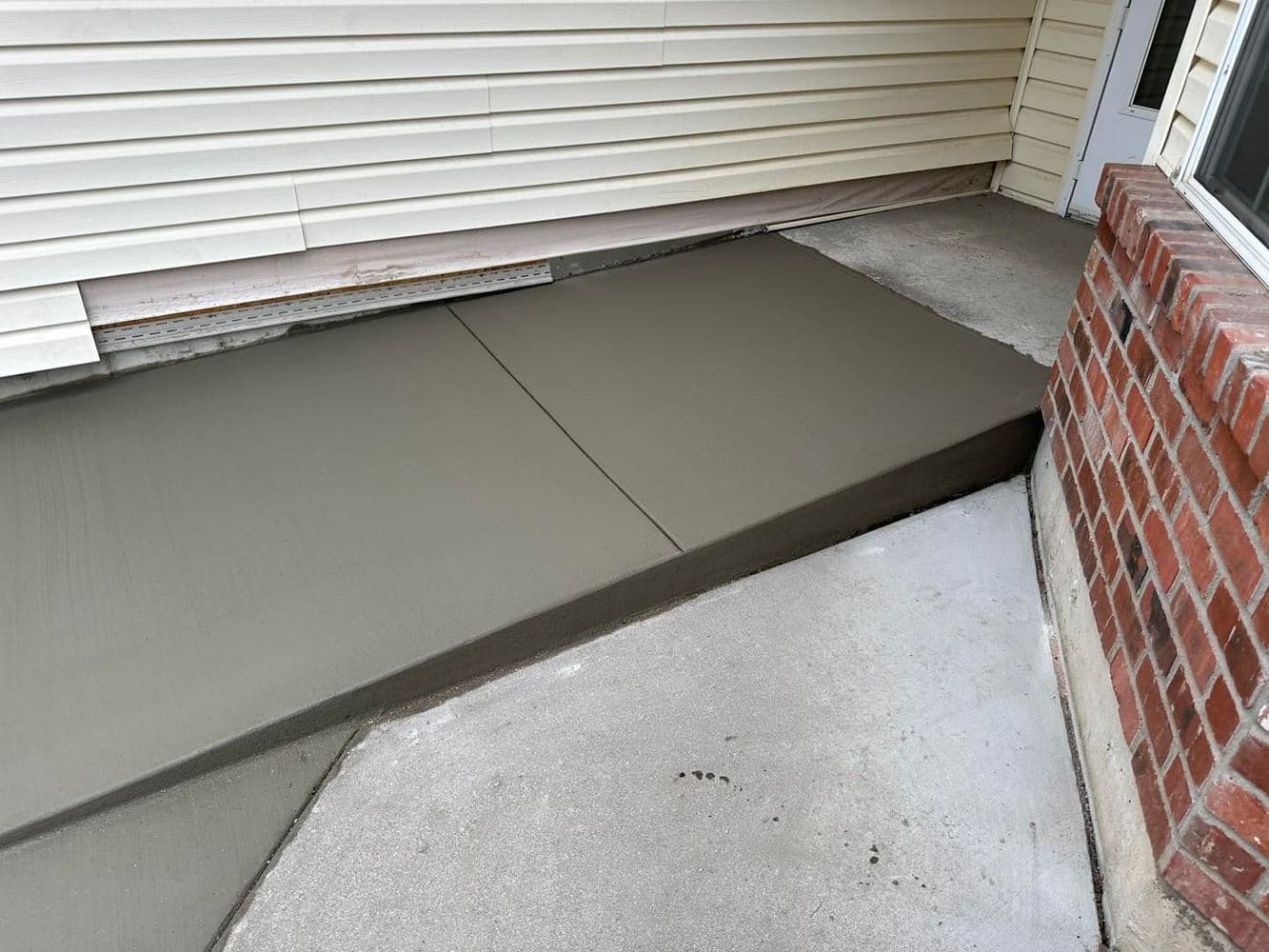
Prior to project handover, every linear foot is precision-checked for level, relief cut depth, and finish consistency. This rigorous evaluation guarantees the permanence of our work.