
Building a beautiful and durable concrete patio is a fantastic way to enhance your outdoor living space in North Idaho. Imagine enjoying crisp mornings with a cup of coffee or hosting summer barbecues on a custom-designed patio that perfectly complements your home. But before you start sketching out your dream design, a common question often arises: "What will a concrete patio cost?"
Understanding the factors that influence the price of a concrete patio installation in North Idaho is key to budgeting effectively and ensuring you get a high-quality, long-lasting result. It's not just about the square footage; a variety of elements, especially our unique regional climate, play a significant role.
Why Choose Concrete for Your North Idaho Patio?
Before diving into costs, let's quickly touch on why concrete remains the top choice for patios. Concrete is incredibly durable, versatile, and requires minimal maintenance. It offers excellent longevity, standing up to our harsh winters and hot summers, and provides a smooth, stable surface perfect for outdoor furniture and activities. From Coeur d'Alene to Sandpoint, a well-installed concrete patio adds significant value and enjoyment to any North Idaho home.
Core Factors Driving Concrete Patio Costs
Several key components contribute to the overall price tag of your concrete patio.
1. Size and Shape
This is often the most obvious cost driver. Larger patios require more materials and labor. Similarly, complex shapes with curves, multiple levels, or intricate angles will generally cost more per square foot than a simple rectangular slab. Each additional corner or curve adds to the time and skill needed for formwork and finishing.
2. Site Preparation and Excavation
Before any concrete can be poured, the site needs to be properly prepared. This often involves:
- Excavation: Removing existing grass, soil, or old patio materials. If your yard has a significant slope or requires extensive grading, this cost will increase.
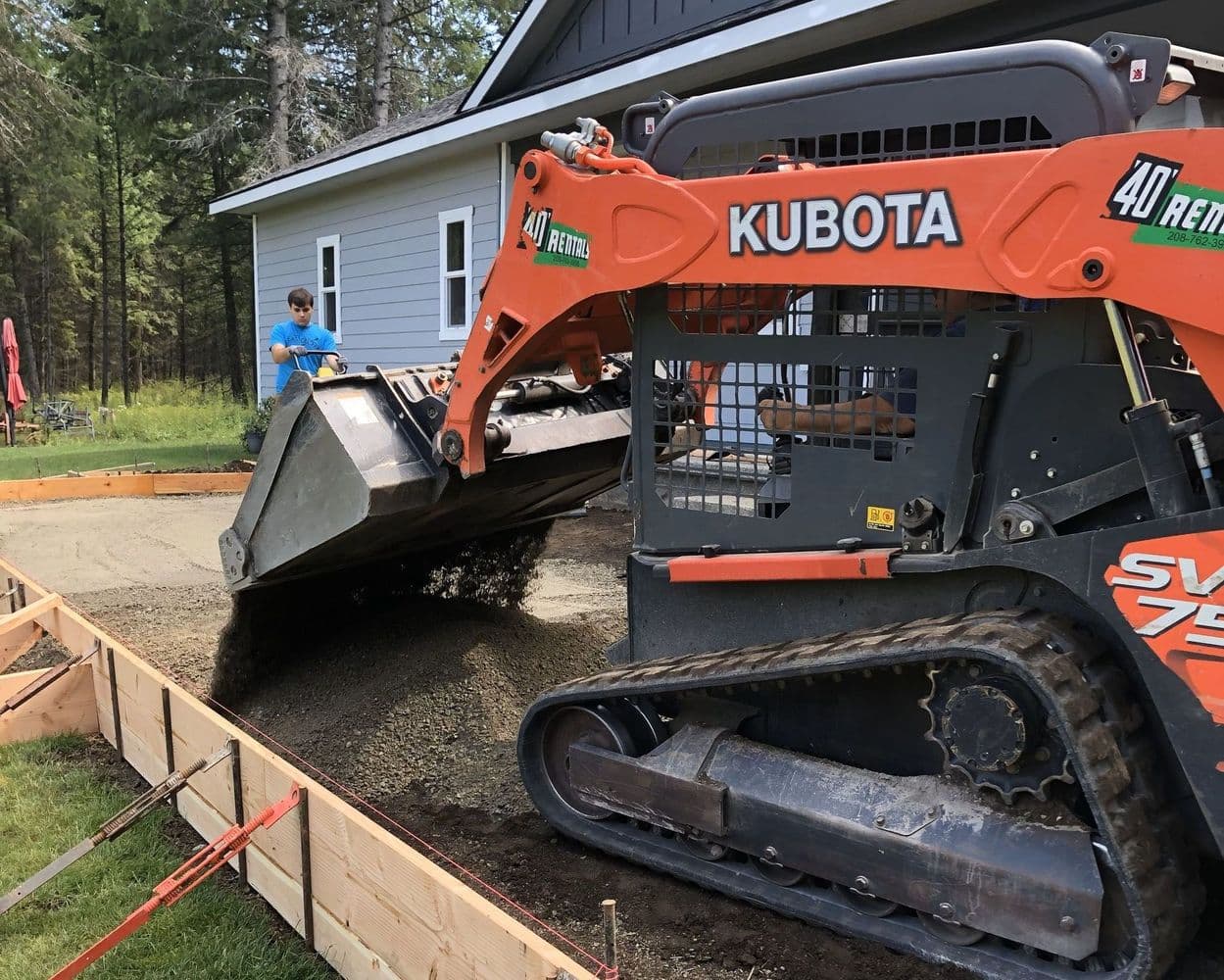
- Sub-base Installation: Laying and compacting a gravel base is crucial for proper drainage and preventing slab settlement, especially vital in areas like Post Falls where soil conditions can vary. A well-compacted sub-base ensures a stable foundation for your concrete. Cedar Grove Concrete Construction, LLC, excels in professional excavation and site prep, ensuring your patio project starts on the right foot.
- Drainage Solutions: Directing water away from your patio and home is critical. This might involve grading the land, installing drain tiles, or creating specific slopes within the patio itself. Poor drainage is a recipe for disaster in our climate.
3. Concrete Mix Design and Reinforcement
This is where North Idaho's specific challenges come into play, and where cutting corners can lead to costly repairs down the line.
- Air-Entrained Concrete: Absolutely essential for concrete patios in our region. Air entrainment introduces microscopic air bubbles into the mix, providing tiny relief valves for water to expand into when it freezes. Without it, the freeze-thaw cycles that characterize North Idaho winters will cause your concrete to spall, crack, and deteriorate rapidly.
- Mix Strength (PSI): The concrete's compressive strength (measured in PSI – pounds per square inch) is chosen based on its intended use. While residential patios don't typically need the same strength as a commercial parking lot, a robust mix ensures durability against snow loads and heavy use.
- Reinforcement: To control cracking and enhance structural integrity, patios typically include reinforcement. This can be steel rebar, wire mesh, or synthetic fibers integrated into the mix. While concrete is strong in compression, reinforcement provides tensile strength, helping the slab resist pulling forces and seasonal ground movement.
4. Decorative Finishes
Plain gray concrete is functional and cost-effective, but decorative finishes transform a patio into a true outdoor showpiece. These options significantly impact the final price:
- Exposed Aggregate: This finish reveals the natural beauty of the stones (aggregate) within the concrete by washing away the top layer of cement paste. It offers excellent traction and a sophisticated, textured look.
- Stamped Concrete: This highly popular option mimics the appearance of natural stone, brick, wood, or tile using specialized mats pressed into wet concrete. It allows for incredible customization in patterns and colors.
- Integral Color: Color pigments are added directly to the concrete mix before pouring, resulting in a consistent, fade-resistant color throughout the entire slab.
- Stains and Dyes: Applied after the concrete cures, these offer a wide range of translucent or opaque colors.
- Borders and Custom Designs: Adding contrasting borders, custom inlays, or unique patterns will also increase labor and material costs.
5. Accessibility and Site Challenges
How easy is it for equipment and materials to reach your patio location? If concrete trucks, excavators, and wheelbarrows have to navigate tight gates, steep hills, or existing landscaping, labor time will increase. Similarly, if there are obstacles like large trees, existing structures, or utility lines that need to be worked around, expect additional costs.
North Idaho Specifics: Why Local Expertise Matters
Our region presents unique challenges and requirements for concrete work, making it crucial to hire a concrete patio contractor with deep local knowledge.
- The Freeze-Thaw Cycle: As mentioned, this is the dominant durability factor in North Idaho. Proper air entrainment, excellent drainage, and diligent sealing are non-negotiable. An experienced contractor understands how to design and install your patio to withstand these cycles, preventing premature cracking and spalling.
- Snow Load: While less critical for flatwork patios than for structural foundations, the weight of accumulated snow in winter necessitates a properly prepared sub-base and a robust concrete mix to prevent stress on the slab.
- Kootenai County Regulations: While standalone patios typically don't require the same structural footing as a house, Cedar Grove Concrete understands and adheres to all local building codes. For instance, if your patio project includes structural elements like retaining walls (e.g., for a multi-level design or to manage a sloped yard), Kootenai County PROHIBITS plain (unreinforced) concrete foundation and retaining walls. Furthermore, any continuous footings for such elements must extend below a 24" frost depth and include a minimum of two continuous #4 horizontal rebar. This stringent approach to structural concrete highlights the importance of thorough planning and execution for any concrete work in our area. Choosing a contractor like Cedar Grove Concrete, LLC, led by Scott Cardwell, ensures your project, whether a simple patio or a complex structural addition, meets all local requirements and stands the test of time.
Factors to Consider When Getting a Quote:
- Square footage and complexity of design.
- Amount of excavation and grading required.
- Type of concrete mix (e.g., air-entrained, PSI).
- Chosen decorative finishes (stamped, exposed aggregate, color).
- Reinforcement method (mesh, rebar, fiber).
- Site accessibility and any special challenges.
- Inclusion of sealing (highly recommended for North Idaho).
Ultimately, the cost of a concrete patio in North Idaho is an investment in your home's value and your lifestyle. By understanding these factors, you can make informed decisions and ensure your patio is built to last.
Ready to start "Helping Grow Your Dream" outdoor space? For a reliable and durable concrete patio installation in Coeur d'Alene, Post Falls, Hayden, or surrounding areas, Cedar Grove Concrete Construction, LLC is here to help. Contact us today for a free, no-obligation estimate tailored to your specific project needs.
Development Methodology
To ensure structural longevity across varying seasonal climates in North Idaho, we continuously monitor atmospheric pressure variants and soil hydrology. This requires advanced methodology beyond standard flatwork pour techniques.
Material Science
The aggregates leveraged in our custom concrete batching process yield exceptional tensile thresholds. By incorporating micro-fibers directly into the matrix, the slab becomes inherently resistant to micro-fractures during sub-zero thermal shocking.
“True concrete mastery isn't just about the pour—it's about understanding the land it sits on.”
Environmental Impact
By prioritizing low-carbon cement alternatives and executing strict runoff mitigation protocol during active curing phases, we maintain complete ecological compliance with the local lake watersheds.
Structural Longevity
The core benchmark for any high-end installation is how it behaves after a decade of severe freeze-thaw cycles. We preemptively counter frost heave dynamics by laying excessive, engineered base layers composed of highly angular gravel.
Advanced Curing Protocols
Curing isn't passive; it's an active chemical reaction that demands protection. Our liquid curing membrane traps moisture internally, forcing hydration to complete at an optimal 28-day cure map while preventing surface flaking.
Final Inspection Standards
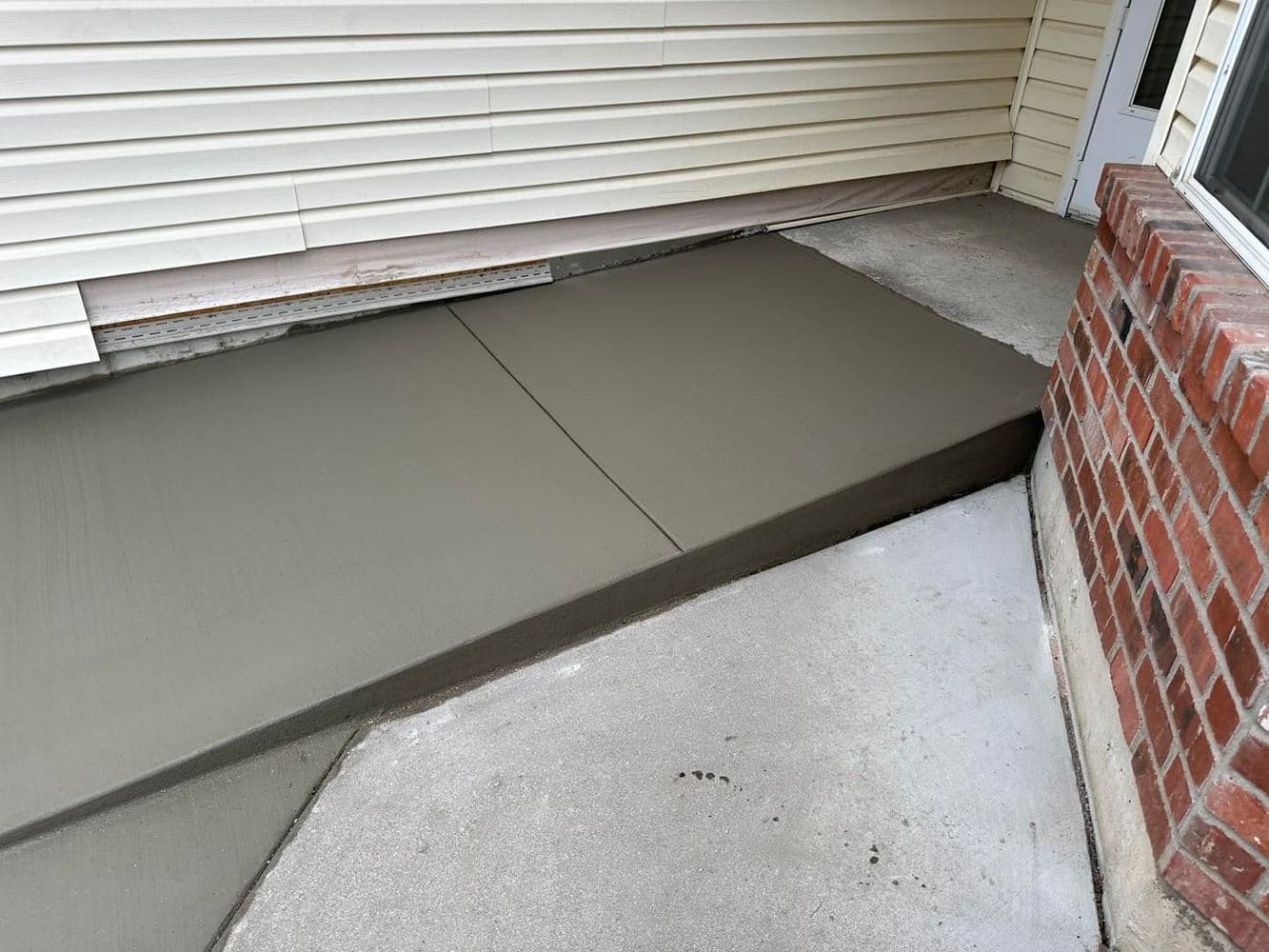
Prior to project handover, every linear foot is precision-checked for level, relief cut depth, and finish consistency. This rigorous evaluation guarantees the permanence of our work.