
For homeowners in Coeur d'Alene and throughout North Idaho, investing in new concrete — whether it’s a beautiful stamped patio, a durable new driveway, or a critical foundation for a new home — is a significant decision. Beyond choosing the right design and an experienced contractor, one of the most common questions we hear is: when to pour concrete Idaho? The timing of your concrete project can significantly impact its long-term durability and appearance, especially in our unique climate.
North Idaho's weather presents specific challenges and opportunities for concrete work. Understanding the ideal conditions and why they matter is key to ensuring your project stands the test of time against our seasonal extremes, from hot summers to frigid, snowy winters.
The Concrete "Sweet Spot": Temperature and Conditions
Concrete needs time to cure properly, a chemical process that strengthens it. This process is highly sensitive to temperature and moisture. The sweet spot for pouring concrete generally falls between 40°F (4°C) and 70°F (21°C). In this range, the concrete can cure at a steady, controlled rate, developing optimal strength and minimizing the risk of issues like cracking or surface scaling.
Why is this range so important?
- Too Cold: Below 40°F, the hydration process slows significantly, preventing the concrete from reaching its intended strength. If water within the concrete freezes before it has adequately set, it can expand and cause permanent damage, leading to crumbling and flaking.
- Too Hot: Above 70°F, particularly with direct sun and low humidity, the concrete can dry out too quickly. This rapid evaporation can lead to surface cracks, reduced strength, and an increased risk of plastic shrinkage.
Considering these factors, let's explore the typical concrete pouring season in North Idaho.
Spring: A Window of Opportunity
As the snow melts and the ground thaws, spring often brings some of the best conditions for concrete work in our region. Usually, from late April through early June, we experience:
- Moderate Temperatures: Days are typically warm enough for proper curing without excessive heat, and nights are generally above freezing. This allows the concrete to gain strength steadily.
- Adequate Moisture: Spring often brings a moderate amount of rainfall, which can help keep the concrete hydrated during the crucial initial curing phase, though supplemental curing methods are always necessary.
- Longer Daylight Hours: More daylight provides ample time for preparation, pouring, and finishing work.
This period is often ideal for residential flatwork like driveways, patios, and sidewalks. For a new concrete driveway, spring allows ample time for the concrete to gain full strength before facing the stresses of summer traffic or the coming winter's freeze-thaw cycles.
Summer: Managing the Heat
North Idaho summers can bring periods of intense heat, especially in July and August. While not always the absolute best time concrete driveway or patio, concrete can certainly be poured successfully during these months with careful planning and execution.
Key considerations for summer pours:
- Accelerated Drying: High temperatures and low humidity accelerate water evaporation from the concrete. This requires vigilance to prevent plastic shrinkage cracking.
- Cooling Techniques: Experienced contractors like Cedar Grove Concrete use strategies such as misting the subgrade, using sunshades, pouring in the early morning or late evening, and applying curing compounds or wet curing immediately after finishing.
- Rapid Setting: Hot weather can cause concrete to set faster, demanding a quicker pace from the crew to ensure proper finishing.
Despite the challenges, summer offers consistent dry weather, which can be advantageous for excavation and site preparation, allowing for less disruption from rain delays.
Fall: A Race Against Winter
Early fall, typically September into early October, can also offer excellent conditions. Temperatures often cool down into the ideal range, and the air can be crisp and clear. This can be a very productive time for a "concrete pouring season."
However, as fall progresses, the risks increase:
- Falling Temperatures: As October turns into November, the likelihood of night frosts and daytime temperatures consistently dropping below 40°F rises significantly.
- Shorter Days: Less daylight means a tighter schedule for pouring and finishing.
- Increased Moisture: Fall can bring more frequent rain, which can delay projects and make site conditions challenging.
Pouring concrete too late in the fall leaves less time for the concrete to achieve sufficient strength before the onset of harsh winter conditions. This can compromise its durability against North Idaho's dominant durability factor: freeze-thaw cycling.
Winter: Best Avoided for Most Projects
While commercial or emergency projects can be successfully undertaken in winter with significant protective measures, it is generally not the best time concrete driveway or typical residential flatwork. The costs associated with heating, insulating, and protecting the concrete from freezing temperatures skyrocket, and the quality can still be compromised without meticulous care.
Cedar Grove Concrete recommends waiting for more favorable conditions for most residential projects to ensure the best possible outcome without unnecessary expense or risk.
Beyond the Season: North Idaho Specifics That Matter
No matter when you decide to pour, several crucial factors unique to North Idaho must be addressed to ensure your concrete's longevity.
Battling Freeze-Thaw Cycling
Our region's frequent shifts between freezing and thawing temperatures are incredibly tough on concrete. Water trapped within the concrete can freeze, expand, and create internal stresses that lead to cracking, spalling (surface flaking), and breakdown over time. To combat this, several elements are critical:
- Air Entrainment: This involves adding microscopic air bubbles to the concrete mix. These bubbles provide tiny chambers for water to expand into when it freezes, relieving internal pressure. It's non-negotiable for exterior concrete in North Idaho.
- Proper Mix Design: Using the correct water-to-cement ratio and high-quality aggregates ensures a dense, strong concrete less susceptible to water penetration.
- Excellent Drainage: Ensuring water drains away from your concrete surface prevents saturation and prolonged exposure to standing water during freeze-thaw cycles. This includes proper grading and potentially subsurface drainage.
- Sealing: Applying a high-quality penetrating sealer after the concrete has fully cured creates a barrier against moisture, further protecting it from freeze-thaw damage and chemical attack.
Adhering to Local Codes
For structural concrete work like foundations and retaining walls, Kootenai County has specific requirements designed to ensure structural integrity in our environment:
- Frost Depth: Exterior footings must extend below a 24-inch frost depth to prevent movement caused by freezing and thawing soil.
- Reinforcement: Kootenai County requires a minimum of two continuous #4 horizontal rebar in continuous footings. This steel reinforcement adds tensile strength, preventing cracks from widening and providing stability.
- No Plain Walls: Importantly, Kootenai County PROHIBITS plain (unreinforced) concrete foundation and retaining walls. All structural concrete walls must contain steel reinforcement to withstand the pressures of soil, frost heave, and seismic activity.
These codes are in place for a reason – to protect your investment and ensure safety. Working with a contractor familiar with these local requirements, like Cedar Grove Concrete Construction, LLC, is essential for compliant and durable results.
Your Partner in Concrete Excellence
While spring and early summer often offer the most forgiving conditions for pouring concrete in North Idaho, an experienced contractor can achieve high-quality results in nearly any season by understanding and mitigating the unique challenges each brings. Whether you’re dreaming of a new stamped concrete patio, a durable driveway, or a solid foundation, Cedar Grove Concrete has the expertise to guide your project from excavation and site prep through to the final decorative finishes, ensuring it's built to last. We even specialize in heated driveway systems, which have their own considerations for installation!
Ready to start planning your next concrete project? Don't let the weather uncertainty deter you. Contact Cedar Grove Concrete Construction today for a free estimate and let us help grow your dream, no matter the season.
Development Methodology
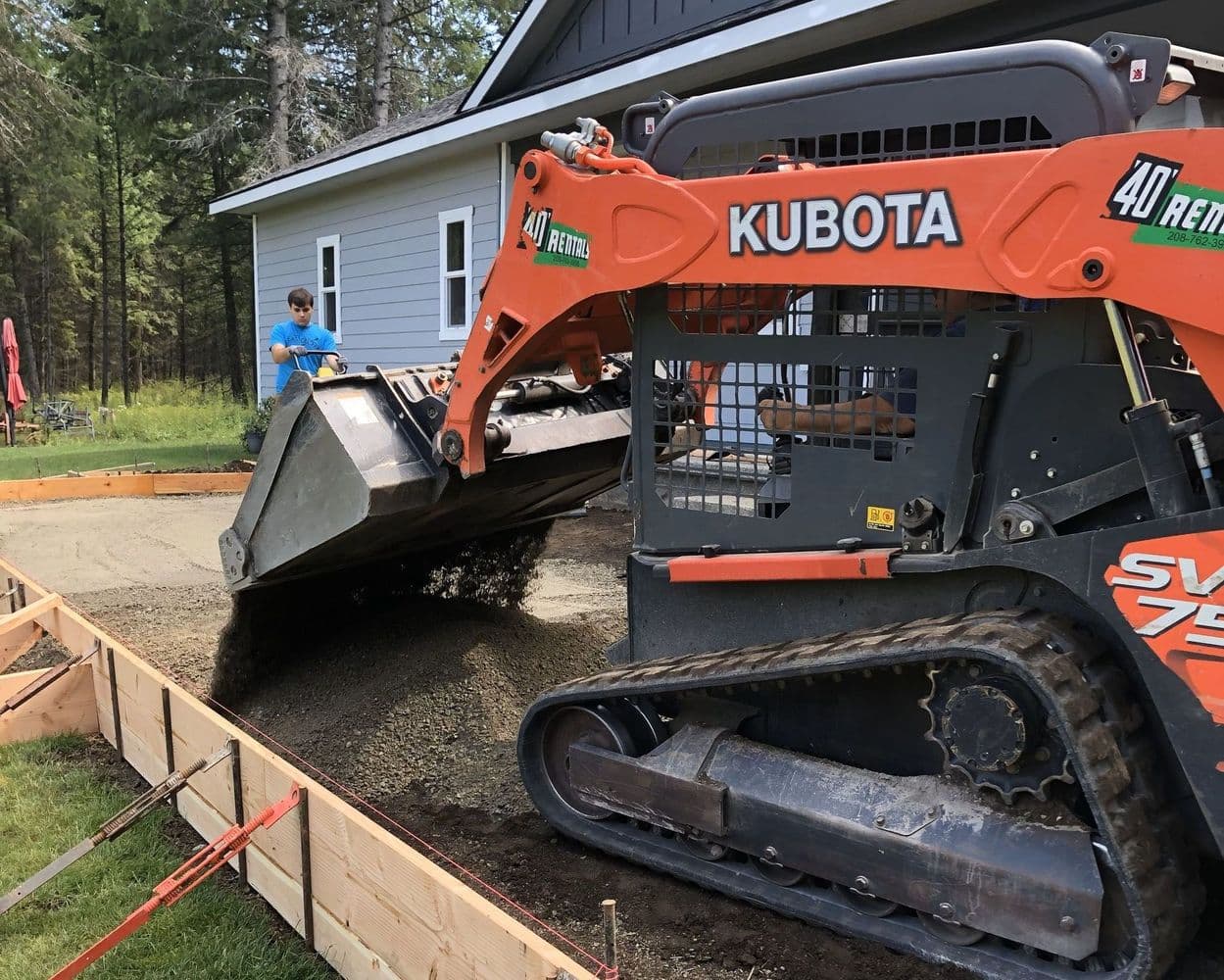
To ensure structural longevity across varying seasonal climates in North Idaho, we continuously monitor atmospheric pressure variants and soil hydrology. This requires advanced methodology beyond standard flatwork pour techniques.
Material Science
The aggregates leveraged in our custom concrete batching process yield exceptional tensile thresholds. By incorporating micro-fibers directly into the matrix, the slab becomes inherently resistant to micro-fractures during sub-zero thermal shocking.
“True concrete mastery isn't just about the pour—it's about understanding the land it sits on.”
Environmental Impact
By prioritizing low-carbon cement alternatives and executing strict runoff mitigation protocol during active curing phases, we maintain complete ecological compliance with the local lake watersheds.
Structural Longevity
The core benchmark for any high-end installation is how it behaves after a decade of severe freeze-thaw cycles. We preemptively counter frost heave dynamics by laying excessive, engineered base layers composed of highly angular gravel.
Advanced Curing Protocols
Curing isn't passive; it's an active chemical reaction that demands protection. Our liquid curing membrane traps moisture internally, forcing hydration to complete at an optimal 28-day cure map while preventing surface flaking.
Final Inspection Standards
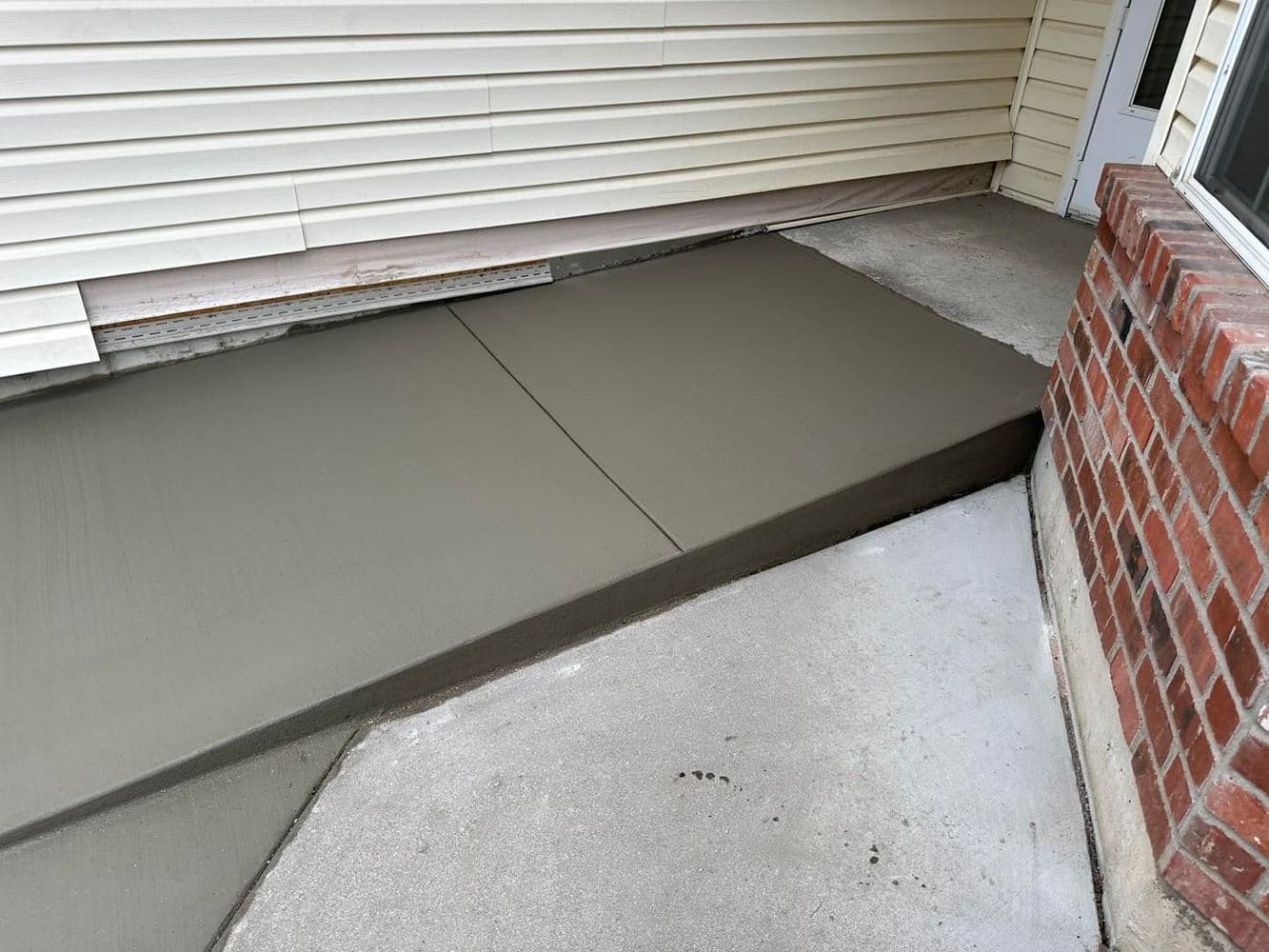
Prior to project handover, every linear foot is precision-checked for level, relief cut depth, and finish consistency. This rigorous evaluation guarantees the permanence of our work.