
As homeowners in Coeur d'Alene and the broader North Idaho region, we’re all familiar with the sight: a crack spiderwebbing across a driveway, a patio settling unevenly, or a sidewalk showing signs of wear. Concrete, while incredibly durable, isn't immune to the forces of nature, heavy use, and time. When faced with these imperfections, a common question arises: is it time for concrete repair vs replace? Making the right call can save you headaches and money in the long run, especially with the unique environmental challenges our local climate presents.
Understanding Concrete Cracks: Not All Are Created Equal
Before you jump to conclusions, it's important to understand that not all cracks are created equal. Some are merely cosmetic, while others signal a deeper, more serious problem. Identifying the type of crack is the first step in deciding on the best course of action for your concrete.
Hairline Cracks vs. Structural Cracks
- Hairline or Shrinkage Cracks: These are very narrow, often less than 1/8 inch wide, and typically occur within the first few days or weeks after concrete is poured. They're usually a result of the concrete drying and shrinking, and while unsightly, they seldom affect the structural integrity of the slab. Think of them as the concrete settling into its final form.
- Settlement Cracks: These cracks appear when the ground beneath the concrete shifts or settles unevenly. You might notice one side of a slab sinking, causing a step or an uneven surface. These can be more serious, as they indicate a problem with the sub-base, and often allow water to penetrate and exacerbate the issue.
- Structural Cracks: These are the big ones – wider than 1/8 inch, deep, extending through the entire slab, and often showing vertical displacement (one side higher than the other). They can appear in a "spiderweb" pattern across a large area or as distinct, large fissures. These are the cracks that raise red flags, especially in foundations, as they can compromise the integrity of your home. In North Idaho, structural cracks are often intensified by the freeze-thaw cycle, which can cause water in the crack to expand and contract, widening the damage rapidly.
The North Idaho Factor: Why Our Concrete Faces Unique Challenges
Living in Coeur d'Alene, Post Falls, Hayden, or even Spokane, WA, means embracing beautiful winters. However, these same winters bring significant challenges for concrete. The dominant durability factor in North Idaho is the relentless freeze-thaw cycling.
Here's how it works: Water seeps into tiny cracks and pores in the concrete. When temperatures drop below freezing, that water turns to ice, expanding by about 9%. This expansion exerts immense pressure, stressing the concrete from within. When it thaws, the process repeats. Over time, this constant expansion and contraction can turn minor imperfections into major structural issues, spalling, and surface deterioration. Heavy snow loads and the repeated application of de-icing salts also contribute to wear and tear.
To combat these forces, proper concrete design and installation are paramount:
- Air Entrainment: This involves adding microscopic air bubbles to the concrete mix, creating tiny pockets for water to expand into when it freezes. It's a critical component for any exterior concrete in our climate.
- Proper Mix Design: Beyond air entrainment, a carefully balanced mix of cement, aggregates, and water ensures density and strength.
- Excellent Drainage: Ensuring water drains away from your concrete surfaces prevents pooling and reduces the amount of water that can penetrate and freeze.
- Regular Sealing: Applying a high-quality concrete sealer every few years acts as a protective barrier, reducing water absorption and resisting chemical attack from de-icers.
It's also worth noting that our local building codes are designed with these challenges in mind. For instance, in Kootenai County, exterior footings are required to extend below a 24-inch frost depth to prevent movement caused by freezing and thawing soil. Furthermore, continuous footings must include a minimum of two continuous #4 horizontal rebar, and Kootenai County PROHIBITS plain (unreinforced) concrete foundation and retaining walls. These requirements highlight the importance of reinforced, properly designed concrete for structural integrity in our region.
When to Repair Cracked Concrete
For many homeowners, cracked concrete repair idaho can be a viable and cost-effective solution, especially for non-structural issues.
You should consider repair if:
- The cracks are hairline or minor shrinkage cracks: These can often be filled with a high-quality sealant or epoxy to prevent water infiltration and improve aesthetics.
- The damage is superficial: Spalling (surface flaking) or minor pitting due to freeze-thaw can sometimes be resurfaced or patched.
- The problem is isolated: If only a small section of a large slab is affected, targeted repair can extend the life of the entire structure.
- There are no underlying structural issues: If the sub-base is stable and there's no significant shifting or settlement, a repair is more likely to hold.
Timely repairs are crucial in North Idaho. Sealing even small cracks prevents water from entering, freezing, and turning a minor issue into a major one. It's a proactive step that can significantly prolong the lifespan of your concrete.
When Replacement is the Only Option
Sometimes, no amount of patching or sealing will suffice. Replacement, while a larger undertaking, often becomes the only safe and long-term solution for severe concrete problems.
You should consider replacement if:
- Cracks are wide, deep, and show significant vertical displacement: These are clear indicators of structural failure, often caused by severe settlement or sub-base issues. Repairing these without addressing the root cause is a temporary fix at best.
- The concrete is extensively deteriorated: Widespread spalling, pitting, or crumbling that affects a large portion of the slab's surface indicates that the concrete's integrity has been compromised beyond repair, likely due to inadequate mix design or severe freeze-thaw damage.
- There are severe foundation cracks: If your foundation walls are showing significant, wide cracks, or are bowing, it's a critical structural issue. Recall that Kootenai County PROHIBITS plain (unreinforced) concrete foundation and retaining walls precisely because of the need for structural integrity against soil pressures and frost heave. If a foundation is failing, replacement with proper reinforcement is essential for the safety of your home.
- You desire a significant upgrade: Replacing allows you to incorporate modern elements like decorative finishes (stamped concrete, exposed aggregate, integral color) or even a heated driveway system, which is a game-changer during our snowy winters.
Key Factors in Your Decision: Repair vs. Replace
Deciding between repair and replacement isn't always straightforward. Here’s a quick checklist of factors to consider:
- Age of the Concrete: Older concrete, especially if it wasn't installed with North Idaho's climate in mind (e.g., without air entrainment), may be more prone to widespread deterioration, making replacement more sensible.
- Severity and Type of Cracks: As discussed, hairline vs. structural makes a huge difference.
- Underlying Issues: Is the problem just the concrete, or is there poor drainage, an unstable sub-base, or tree roots causing upheaval? Replacement allows for addressing these fundamental issues during site prep and excavation.
- Budget vs. Long-Term Value: While repair is often cheaper initially, a series of failed repairs can quickly add up to more than the cost of a full replacement that offers decades of durability.
- Desired Aesthetics: If you're looking for a fresh, new look or want to upgrade to a decorative finish, replacement is your best bet.
Don't Guess: Get Expert Advice
Navigating the complexities of concrete repair vs replace can be overwhelming. Attempting a DIY fix on a structural problem can lead to more significant, costly issues down the road. This is where professional expertise becomes invaluable. A concrete contractor experienced in the specific challenges of North Idaho can accurately assess the damage, identify the root cause, and recommend the most effective, long-lasting solution.
At Cedar Grove Concrete Construction, LLC, we understand the local climate, the soil conditions, and Kootenai County's building codes inside and out. Whether it's a minor crack in your patio or a failing foundation, our team has the knowledge and equipment for proper excavation, site prep, structural work, and the precise concrete pouring and finishing techniques required to ensure your investment stands the test of time here in Coeur d'Alene and beyond.
Don't let cracked concrete diminish your home's curb appeal or compromise its safety. Take the guesswork out of the decision. Contact Cedar Grove Concrete Construction, LLC today for a free estimate and let us help you in "Helping Grow Your Dream."
Development Methodology
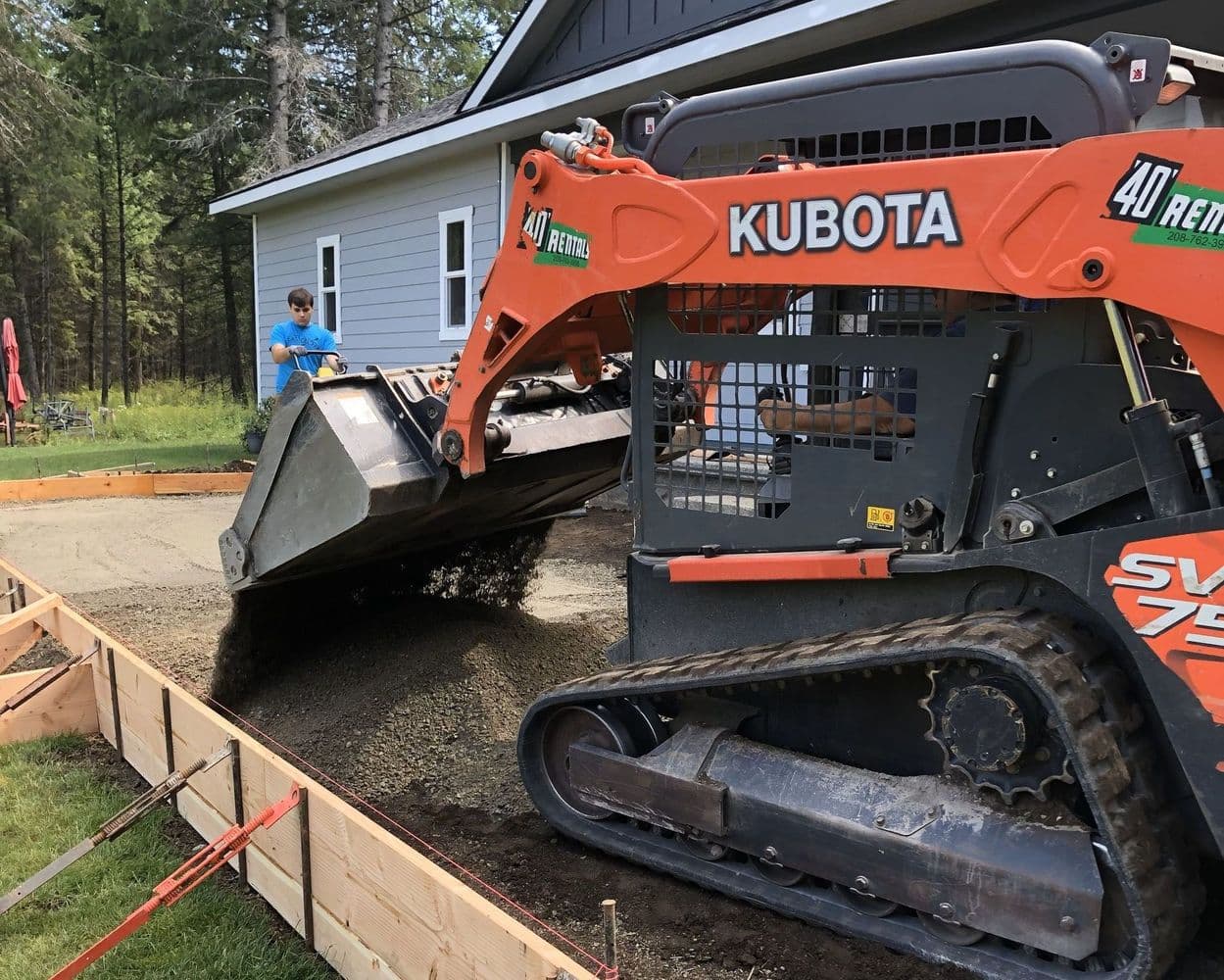
To ensure structural longevity across varying seasonal climates in North Idaho, we continuously monitor atmospheric pressure variants and soil hydrology. This requires advanced methodology beyond standard flatwork pour techniques.
Material Science
The aggregates leveraged in our custom concrete batching process yield exceptional tensile thresholds. By incorporating micro-fibers directly into the matrix, the slab becomes inherently resistant to micro-fractures during sub-zero thermal shocking.
“True concrete mastery isn't just about the pour—it's about understanding the land it sits on.”
Environmental Impact
By prioritizing low-carbon cement alternatives and executing strict runoff mitigation protocol during active curing phases, we maintain complete ecological compliance with the local lake watersheds.
Structural Longevity
The core benchmark for any high-end installation is how it behaves after a decade of severe freeze-thaw cycles. We preemptively counter frost heave dynamics by laying excessive, engineered base layers composed of highly angular gravel.
Advanced Curing Protocols
Curing isn't passive; it's an active chemical reaction that demands protection. Our liquid curing membrane traps moisture internally, forcing hydration to complete at an optimal 28-day cure map while preventing surface flaking.
Final Inspection Standards
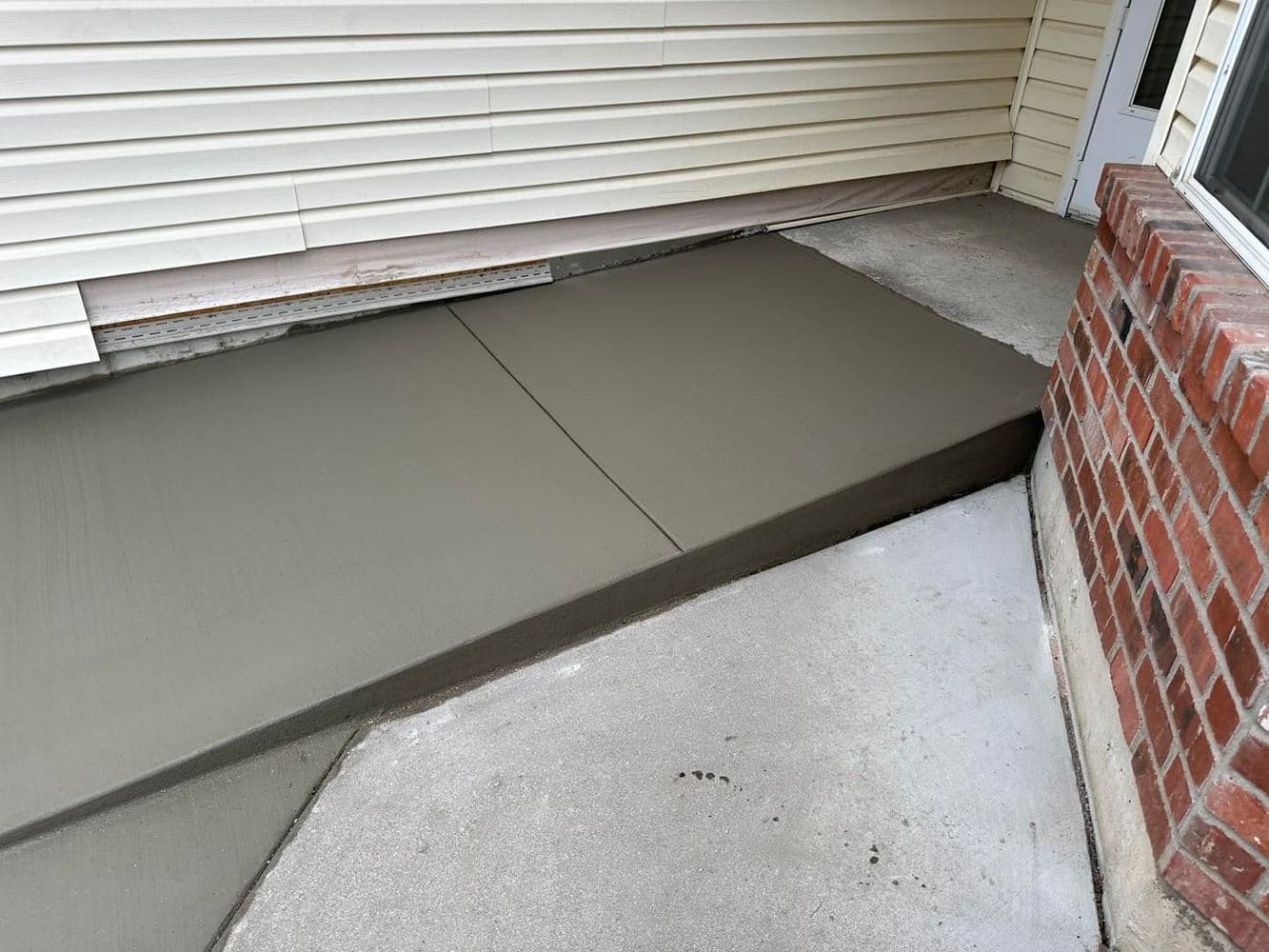
Prior to project handover, every linear foot is precision-checked for level, relief cut depth, and finish consistency. This rigorous evaluation guarantees the permanence of our work.