
Embarking on a concrete project for your home in Spirit Lake, Idaho, is an exciting venture, whether you're envisioning a new driveway, a beautiful patio, or a solid foundation. However, successful concrete work in our unique North Idaho climate isn't just about mixing and pouring; it requires strategic planning around the seasons. The extreme temperature fluctuations, heavy snow loads, and persistent freeze-thaw cycles we experience demand a thoughtful approach to ensure your investment stands the test of time. That's where working with an experienced local concrete contractor Spirit Lake Idaho homeowners trust becomes invaluable.
Understanding North Idaho's Seasons and Concrete Durability
Our region's climate is truly distinctive, and it profoundly impacts concrete. The biggest challenge here is the continuous freeze-thaw cycling. As water freezes, it expands, creating pressure within the concrete. When it thaws, the ice melts, leaving behind tiny voids. Over time, this repeated stress can lead to cracking, spalling, and deterioration if the concrete isn't properly designed and installed.
To combat this, several factors are critical for concrete durability in Spirit Lake and surrounding areas:
- Air Entrainment: This involves adding microscopic air bubbles to the concrete mix. These tiny voids act as pressure relief valves, allowing water to expand into them when it freezes, preventing internal damage. It's a non-negotiable for exterior concrete in our climate.
- Proper Mix Design: Beyond air entrainment, the overall concrete mix (water-to-cement ratio, aggregate quality, and admixtures) must be specified correctly for local conditions. A high-quality, dense mix resists water penetration and provides superior strength.
- Adequate Drainage: Water is concrete's enemy, especially when it sits on or near the surface. Ensuring proper site grading and drainage away from concrete surfaces prevents water pooling and reduces the risk of freeze-thaw damage.
- Timely Sealing: Applying a high-quality concrete sealer after the concrete has cured creates a protective barrier, reducing water absorption and enhancing resistance to chemicals, stains, and abrasion.
These principles are at the core of any lasting spirit lake concrete project, and understanding them helps you appreciate why seasonal planning is so important.
Spring: The Season of Renewal and Preparation
As the snow melts and temperatures slowly begin to climb, spring offers an ideal window for concrete projects. The ground, thawed from winter, becomes workable for excavation and site preparation. This is a great time to tackle projects that require significant earthwork, such as foundations, structural work, or extensive driveways.
For foundational work in particular, adhering to local codes is paramount. Kootenai County, like many areas in North Idaho, has specific requirements designed to ensure structural integrity against our climate. For instance, exterior footings are required to extend below a 24-inch frost depth. This ensures the foundation is anchored below the level where the ground freezes and thaws, preventing damaging "frost heave." Additionally, continuous footings in Kootenai County must include a minimum of two continuous #4 horizontal rebar – a crucial reinforcement detail that adds tensile strength and helps prevent cracking.
Early spring, with its moderate temperatures, also provides excellent conditions for pouring. The ground is often damp, which can help in the curing process, and the risk of extreme heat, which can cause concrete to dry too quickly, is low. This steady curing environment is beneficial for achieving optimal strength and durability.
Summer: Peak Productivity and Decorative Finishes
Summer is undoubtedly the busiest season for concrete work in Spirit Lake. With consistently warm temperatures and longer, drier days, conditions are often perfect for pouring and curing. This extended window of stable weather is particularly advantageous for projects like:
- Residential Flatwork: Driveways, patios, sidewalks, and pool decks can be installed with confidence, allowing ample time for proper curing before the colder months return.
- Decorative Finishes: Stamped concrete, exposed aggregate, and integral color finishes often require specific conditions during application and curing to achieve their intended aesthetic. Summer's stable temperatures allow the intricate work involved in these finishes to proceed smoothly.
- Larger Commercial Projects: Extensive commercial flatwork or large-scale foundations benefit from the longer construction season that summer provides.
While summer offers ideal pouring conditions, it's still crucial to monitor temperatures. Extremely hot days can accelerate curing too much, potentially leading to surface cracking or reduced strength if proper curing techniques (like misting or using curing compounds) aren't meticulously followed. An experienced team, like Cedar Grove Concrete Construction, LLC, understands how to manage these variables for optimal results.
Fall: Racing the Freeze, Prioritizing Protection
As summer wanes, fall presents a race against the inevitable winter freeze. Early fall can still offer good pouring conditions, especially for projects that need to be completed before the ground freezes solid. However, careful planning becomes even more critical. New concrete needs adequate time to cure and gain strength before being subjected to freezing temperatures. If a sudden cold snap arrives, new pours must be protected with blankets or insulated covers to prevent damage from early frosts.
This is also a prime time to consider specialized systems like heated driveways. Installing a heated driveway system in the fall ensures it's fully operational and ready to tackle the heavy snow and ice of a North Idaho winter. It's an investment that saves considerable effort and enhances safety throughout the colder months.
For any structural work, it's vital to remember that Kootenai County PROHIBITS plain (unreinforced) concrete foundation and retaining walls. This regulation underscores the importance of reinforcement in all structural concrete to withstand the forces of our climate, including ground movement and freeze-thaw pressures. Ensuring your contractor is up-to-date on all local codes is non-negotiable for both safety and longevity.
Winter: Planning, Permitting, and Preparing for Spring
While pouring concrete during a North Idaho winter is generally not advisable due to the challenges of achieving proper curing in freezing temperatures, winter is far from a dormant season for smart homeowners and contractors. This is an excellent time for:
- Project Planning and Design: With more time indoors, you can finalize your project vision, review design options for decorative finishes, and make material selections.
- Permitting: Many projects require permits, and applying for these during the slower winter months can save valuable time once spring arrives.
- Budgeting and Scheduling: Winter is ideal for getting estimates, comparing options, and scheduling your project for the upcoming spring or summer, ensuring you get on your preferred contractor's calendar.
Thinking ahead during winter ensures that when the first signs of spring appear, you're ready to break ground, giving your project the best possible start. Scott Cardwell, owner of Cedar Grove Concrete Construction, LLC, founded in 2022, understands the unique challenges and opportunities each season presents in our region, from Coeur d'Alene to Spirit Lake and beyond. Our team is dedicated to "Helping Grow Your Dream" by providing durable, high-quality concrete solutions tailored to North Idaho's specific demands.
Key Considerations for Durable North Idaho Concrete:
- Always specify air-entrained concrete for exterior applications.
- Ensure proper site preparation and drainage to move water away from concrete surfaces.
- Discuss the specific concrete mix design with your contractor.
- Plan for timely sealing of new concrete to protect it from moisture and chemicals.
- Verify that all local Kootenai County codes regarding frost depth, rebar, and wall reinforcement are met.
Planning your concrete project around the unique rhythm of Spirit Lake's seasons is key to a beautiful, long-lasting result. Whether you're considering a new patio, a durable driveway, or a robust foundation, the team at Cedar Grove Concrete Construction, LLC is here to guide you through every step. We serve Coeur d'Alene, Post Falls, Hayden, Rathdrum, Spirit Lake, Sandpoint, and Spokane WA, bringing our expertise to your project.
Ready to start planning your next concrete project? Contact Cedar Grove Concrete Construction, LLC today for a free estimate and let us help bring your vision to life.
Development Methodology
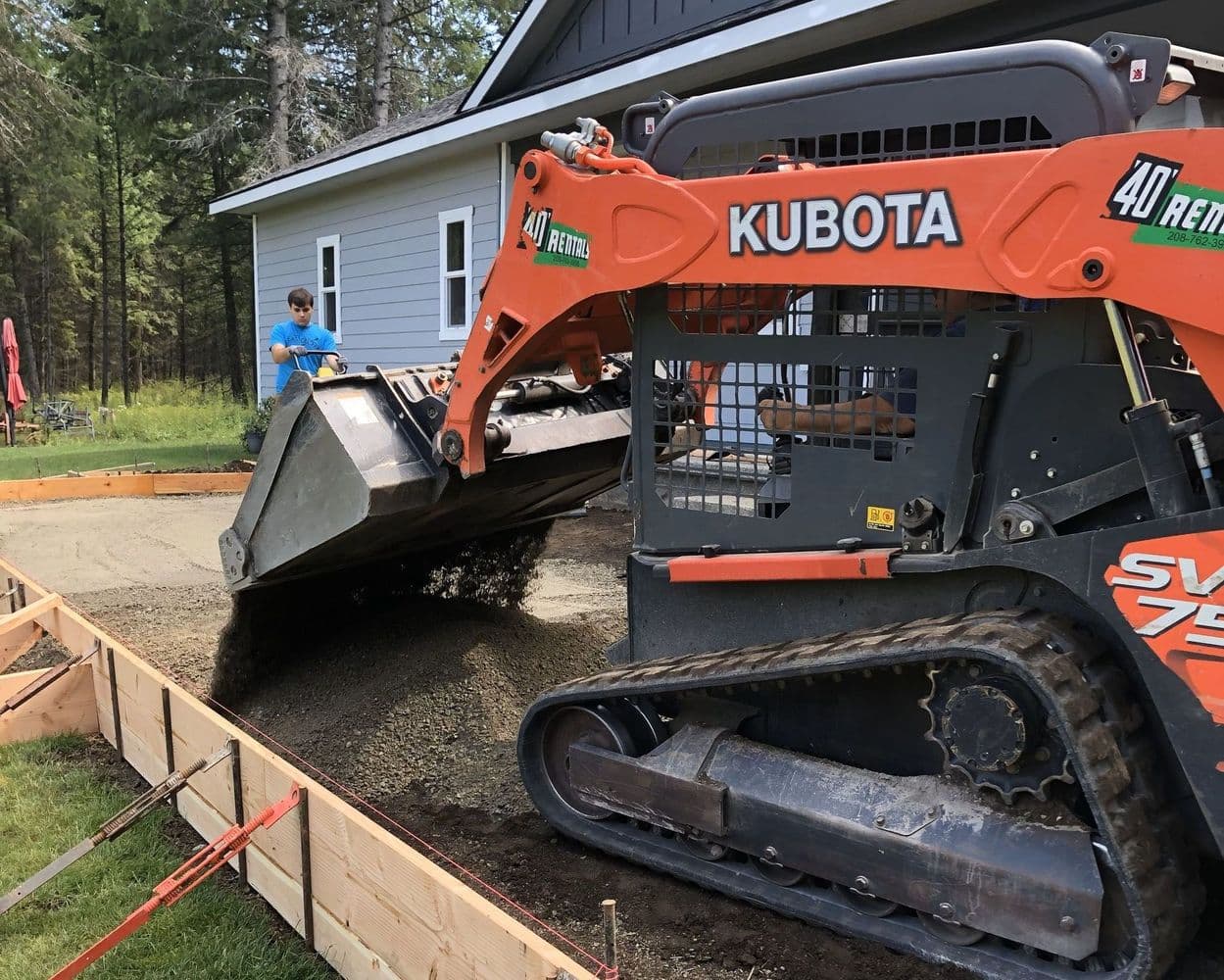
To ensure structural longevity across varying seasonal climates in North Idaho, we continuously monitor atmospheric pressure variants and soil hydrology. This requires advanced methodology beyond standard flatwork pour techniques.
Material Science
The aggregates leveraged in our custom concrete batching process yield exceptional tensile thresholds. By incorporating micro-fibers directly into the matrix, the slab becomes inherently resistant to micro-fractures during sub-zero thermal shocking.
“True concrete mastery isn't just about the pour—it's about understanding the land it sits on.”
Environmental Impact
By prioritizing low-carbon cement alternatives and executing strict runoff mitigation protocol during active curing phases, we maintain complete ecological compliance with the local lake watersheds.
Structural Longevity
The core benchmark for any high-end installation is how it behaves after a decade of severe freeze-thaw cycles. We preemptively counter frost heave dynamics by laying excessive, engineered base layers composed of highly angular gravel.
Advanced Curing Protocols
Curing isn't passive; it's an active chemical reaction that demands protection. Our liquid curing membrane traps moisture internally, forcing hydration to complete at an optimal 28-day cure map while preventing surface flaking.
Final Inspection Standards
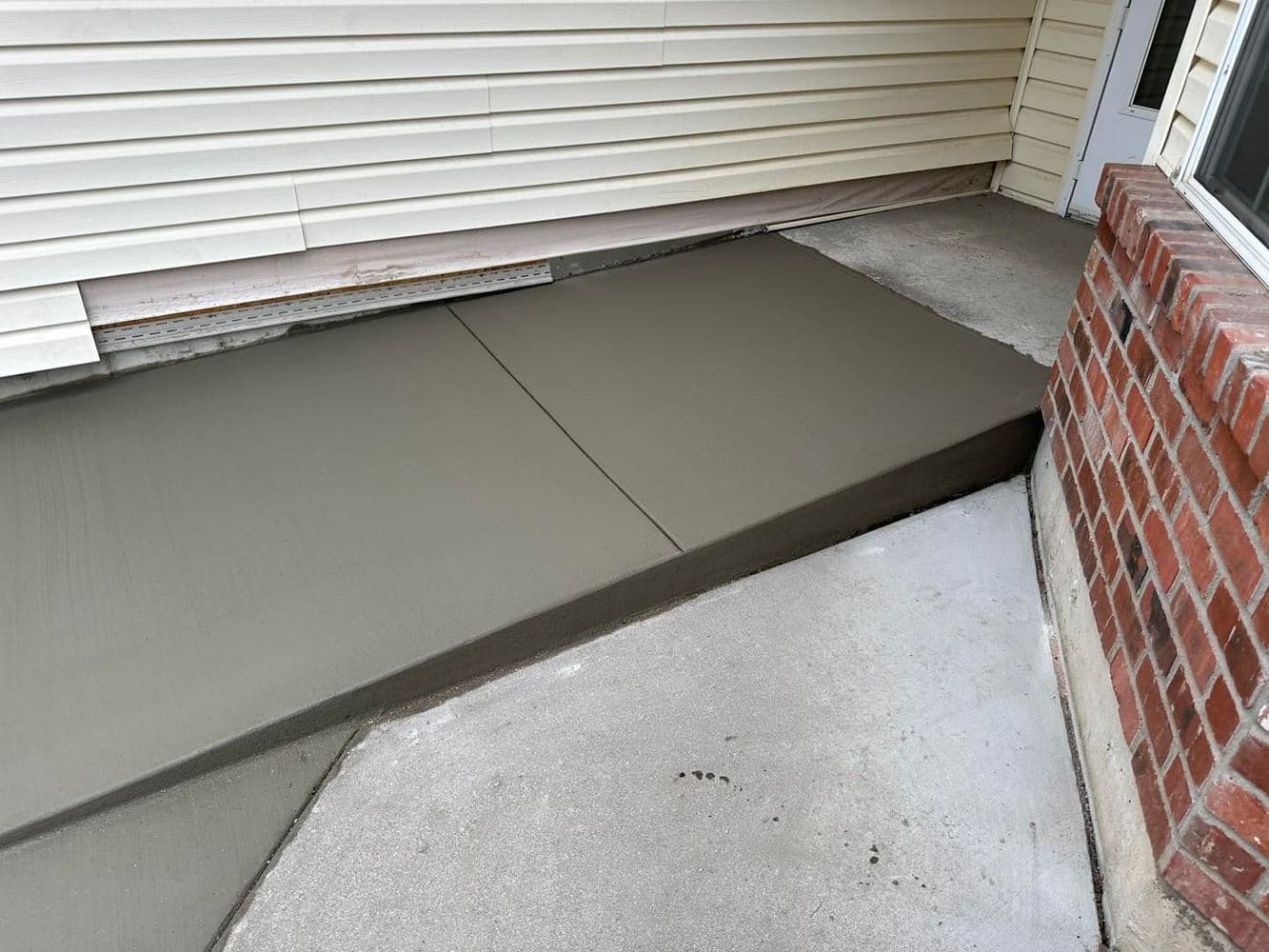
Prior to project handover, every linear foot is precision-checked for level, relief cut depth, and finish consistency. This rigorous evaluation guarantees the permanence of our work.