
Living in Coeur d'Alene or the surrounding North Idaho and Spokane areas, you understand the unique beauty and challenges our climate brings. From heavy winter snows to spring thaws and summer rains, water management is a constant consideration for homeowners. One of the most common and often overlooked issues is poor drainage around concrete slabs – your driveway, patio, or even pool deck. When water consistently pools near these surfaces, it's not just an aesthetic annoyance; it's a serious threat to your concrete's longevity and your property's structural integrity. Ignoring these issues can lead to costly repairs down the line, especially with our region's distinctive freeze-thaw cycles. Understanding why these problems occur and how to effectively address them is key to protecting your investment and ensuring your outdoor spaces remain functional and beautiful for years to come.
Why Proper Drainage is Non-Negotiable in North Idaho
The Pacific Northwest, and particularly North Idaho, experiences a significant number of freeze-thaw cycles annually. This phenomenon is the dominant durability factor for concrete here. When water permeates concrete or saturates the soil beneath it and then freezes, it expands. This expansion creates immense pressure, leading to cracking, spalling (flaking of the surface), and heaving of the slab. When you have water pooling patio or driveway areas, you're essentially setting the stage for accelerated deterioration.
Beyond the obvious damage to the concrete itself, poor concrete drainage Idaho can also compromise your home's foundation. Water that isn't properly directed away from your property can seep into basements or crawl spaces, causing moisture problems, mold, and even structural damage over time. Considering that Kootenai County requires exterior footings to extend below a 24-inch frost depth and mandates reinforced concrete for foundation walls (prohibiting plain concrete), it’s clear that safeguarding your home from water intrusion starts from the ground up – literally. Ensuring adequate air entrainment in the concrete mix, proper compaction of the base, and vigilant sealing are all critical factors, but none of these can fully compensate for inadequate drainage.
Identifying Drainage Issues Around Your Slab
Before you can fix a problem, you need to know you have one. Here are clear signs that your concrete slab has drainage issues:
- Standing Water: The most obvious sign is puddles that remain on or next to your slab long after it rains or snow melts.
- Erosion: Noticeable washouts or channels in the soil around your concrete, indicating water flow is concentrated and uncontrolled.
- Moss, Algae, or Mildew Growth: These thrive in damp conditions and are a tell-tale sign of persistent moisture.
- Cracked or Spalled Concrete: While many factors contribute to concrete damage, excessive moisture and freeze-thaw cycling significantly accelerate these issues.
- Efflorescence: A white, powdery substance on the concrete surface, indicating moisture is moving through the slab and depositing mineral salts.
- Soil Settling or Sinking: Areas around the slab that appear to have sunken, creating depressions where water can collect.
- Water Marks on Foundation Walls: If water is pooling near your home, you might see signs of moisture on your foundation.
Common Causes of Poor Slab Drainage
Understanding the root cause is crucial for effective slab drainage solutions.
- Improper Grading: The ground around your slab should always slope away from it, ideally at a rate of at least 1/4 inch per foot for the first 10 feet. If the ground is level or slopes towards the slab, water will inevitably collect.
- Soil Settling: Over time, soil can compact and settle unevenly, creating depressions that collect water.
- Landscaping Changes: Adding garden beds, retaining walls, or new plantings can inadvertently alter existing drainage patterns.
- Clogged or Insufficient Gutters/Downspouts: Roof runoff is a massive amount of water. If your gutters are clogged or your downspouts discharge directly next to a slab or foundation, you're exacerbating drainage problems.
- Underlying Soil Conditions: Certain soil types, like heavy clay, drain very slowly, which can worsen pooling issues even with decent grading.
Effective Slab Drainage Solutions
Addressing drainage problems requires a thoughtful approach, often combining several strategies.
Regrading and Landscaping Adjustments
The simplest and often most effective first step is to ensure proper slope.
- Regrading: If the ground around your slab is level or slopes towards it, you'll need to add or remove soil to create a positive slope away from the concrete. This can involve bringing in new soil and compacting it properly to prevent future settling. For larger areas or significant changes, professional excavation and site prep services are invaluable to ensure the job is done correctly.
- Berms and Swales: For subtle adjustments, creating small, gradual mounds (berms) or shallow, wide depressions (swales) can effectively direct water away from the slab and towards a designated drainage area.
- Material Choices: Consider replacing water-absorbent landscaping materials near the slab with gravel or permeable pavers, which allow water to filter through rather than pool.
Installing Drainage Systems
When regrading isn't enough, or if you're dealing with significant water volume, engineered drainage systems are often the answer.
- French Drains: A classic solution, a French drain consists of a trench filled with gravel and containing a perforated pipe. This system collects both surface water and subsurface water (groundwater) and redirects it to a suitable discharge point away from your slab and foundation. They are particularly effective for intercepting water flowing down a slope towards your concrete or for areas with persistently saturated soil.
- Channel Drains (Trench Drains): These are linear grates installed directly into the concrete or hardscape, common in front of garage doors, along patios, or in low spots where water pooling patio problems are prevalent. They capture surface water efficiently and channel it through a pipe system to an appropriate outlet.
- Catch Basins: For localized puddles in specific low spots, a catch basin—a box-like reservoir with a grate—can be installed. These collect water and direct it into an underground pipe system.
- Downspout Extensions and Underground Systems: Redirecting roof runoff is paramount. Extending downspouts at least 5-10 feet away from your foundation is a good start. For a more permanent and aesthetically pleasing solution, connect downspouts to an underground drainage pipe that carries water far away from your home and slabs.
Addressing Concrete Durability
While drainage is critical, the quality of the concrete itself also plays a huge role in its long-term durability, especially in North Idaho.
- Air Entrainment: This refers to microscopic air bubbles intentionally introduced into the concrete mix. These bubbles provide tiny chambers for freezing water to expand into, drastically reducing internal pressure and preventing damage from freeze-thaw cycles. Cedar Grove Concrete Construction always prioritizes proper mix design, including adequate air entrainment, for projects in our climate.
- Proper Curing and Sealing: After placement, concrete needs to cure correctly to achieve maximum strength. Once cured, applying a high-quality sealer creates a barrier against moisture intrusion, further protecting the slab from our harsh climate.
- Structural Considerations: For any foundation or structural work, remember Kootenai County's strict codes: a 24-inch frost depth, a minimum of two continuous #4 horizontal rebar in continuous footings, and the prohibition of plain concrete foundation and retaining walls. This highlights the importance of expert knowledge for any concrete work that supports your home.
Why Professional Help is Key for Slab Drainage Solutions
While some minor grading adjustments can be DIY projects, comprehensive slab drainage solutions often require specialized knowledge and equipment. Improperly designed or installed systems can worsen the problem or even create new ones. A professional concrete contractor like Cedar Grove Concrete Construction understands the specific challenges of North Idaho’s climate and Kootenai County’s building codes. We have expertise in:
- Accurate Assessment: Identifying the true source and scope of your drainage problem.
- Effective Design: Crafting a drainage plan that seamlessly integrates with your existing landscape and provides long-term results.
- Proper Installation: Ensuring correct grading, system sizing, and durable installation techniques, including all necessary excavation and site prep.
- Quality Concrete: Delivering high-quality concrete flatwork and foundations that are designed to withstand the region's freeze-thaw cycles and provide lasting performance, "Helping Grow Your Dream" with robust and beautiful outdoor spaces.
Don't let standing water compromise the beauty and integrity of your North Idaho home. Addressing drainage issues around your concrete slabs is a wise investment in your property's future.
If you're noticing water pooling around your patio, driveway, or any concrete slab, it’s time to take action. Contact Cedar Grove Concrete Construction, LLC today for a free estimate and let us help you find the perfect solution to protect your home.
Development Methodology
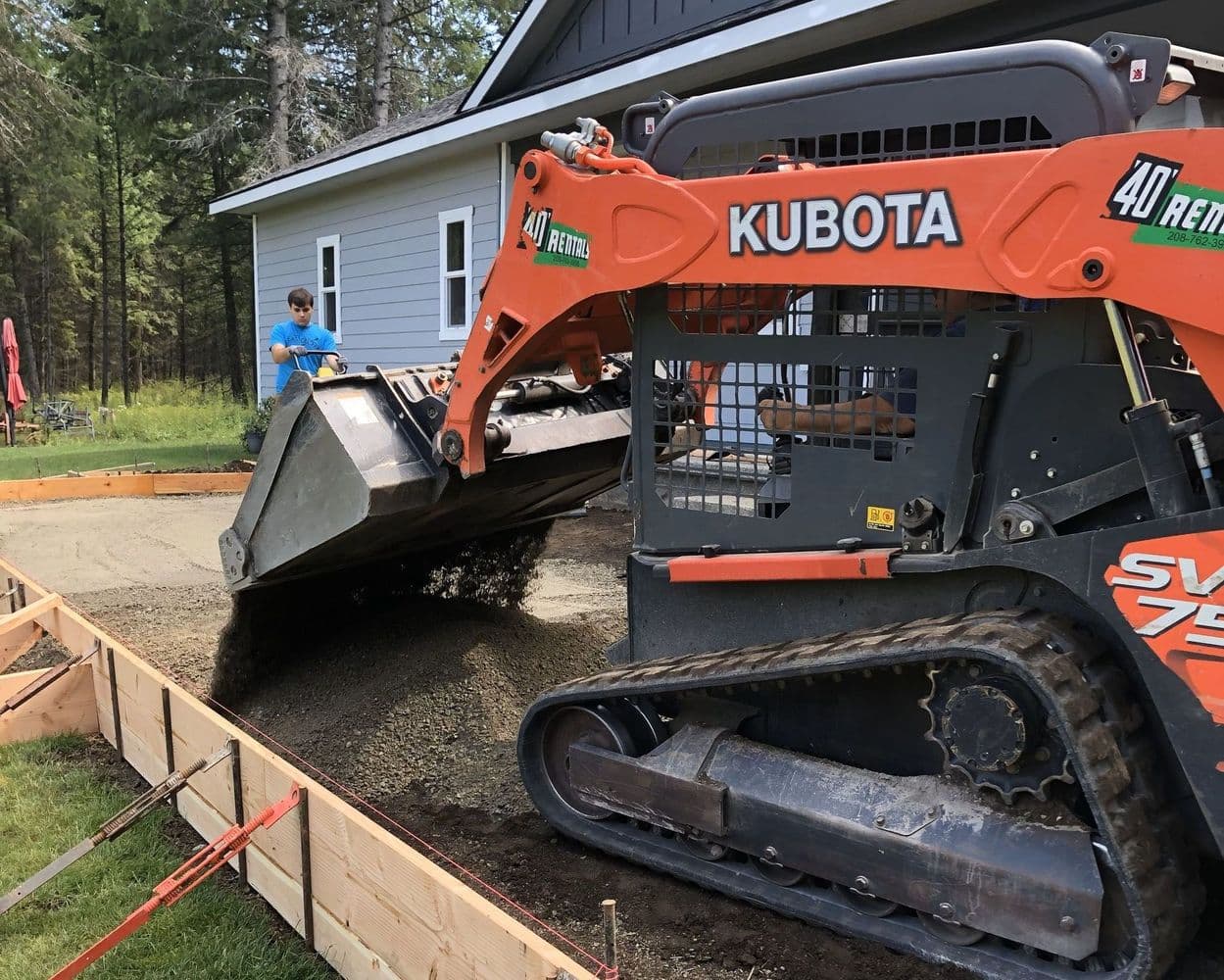
To ensure structural longevity across varying seasonal climates in North Idaho, we continuously monitor atmospheric pressure variants and soil hydrology. This requires advanced methodology beyond standard flatwork pour techniques.
Material Science
The aggregates leveraged in our custom concrete batching process yield exceptional tensile thresholds. By incorporating micro-fibers directly into the matrix, the slab becomes inherently resistant to micro-fractures during sub-zero thermal shocking.
“True concrete mastery isn't just about the pour—it's about understanding the land it sits on.”
Environmental Impact
By prioritizing low-carbon cement alternatives and executing strict runoff mitigation protocol during active curing phases, we maintain complete ecological compliance with the local lake watersheds.
Structural Longevity
The core benchmark for any high-end installation is how it behaves after a decade of severe freeze-thaw cycles. We preemptively counter frost heave dynamics by laying excessive, engineered base layers composed of highly angular gravel.
Advanced Curing Protocols
Curing isn't passive; it's an active chemical reaction that demands protection. Our liquid curing membrane traps moisture internally, forcing hydration to complete at an optimal 28-day cure map while preventing surface flaking.
Final Inspection Standards
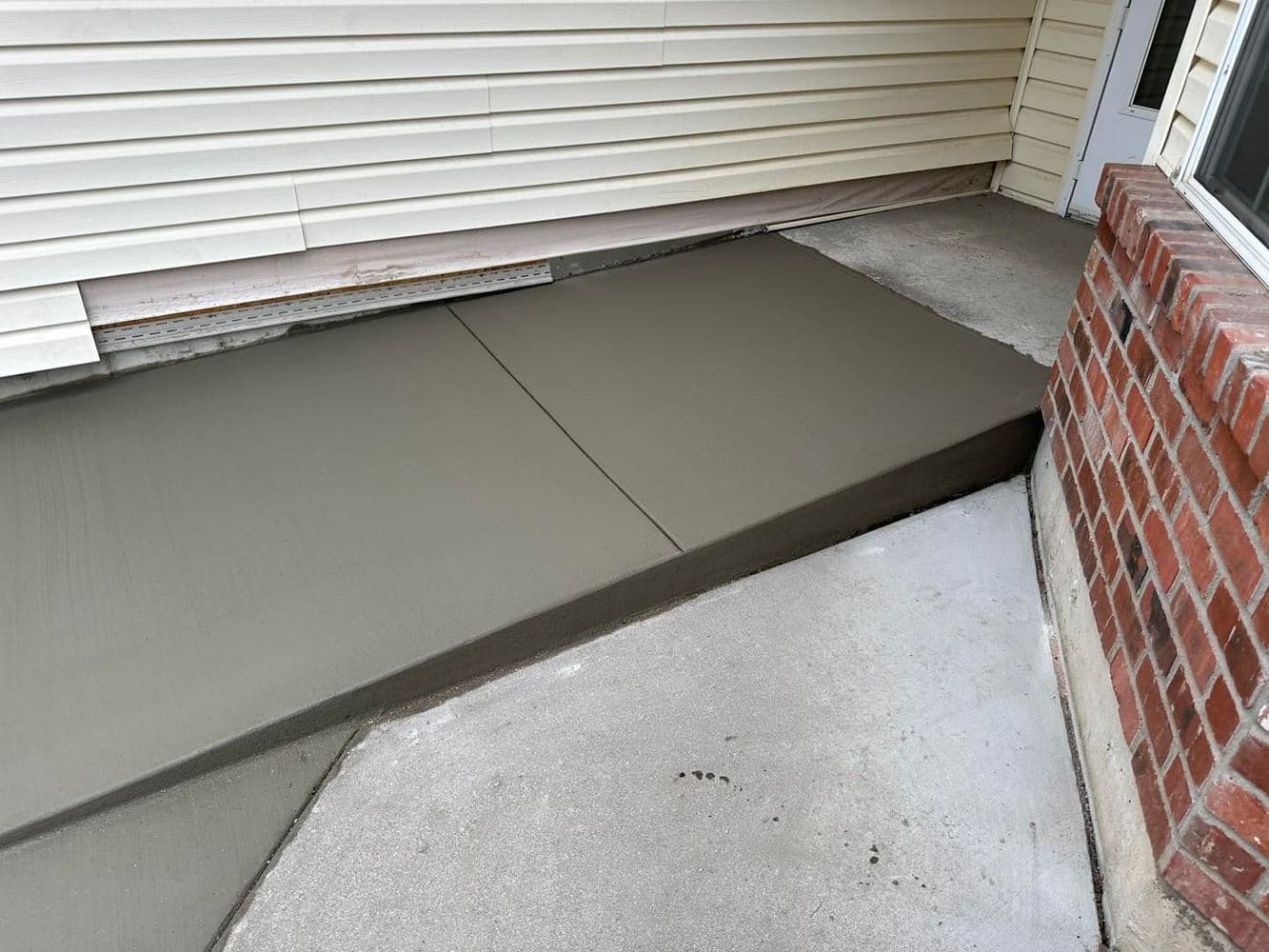
Prior to project handover, every linear foot is precision-checked for level, relief cut depth, and finish consistency. This rigorous evaluation guarantees the permanence of our work.