
North Idaho offers unparalleled natural beauty, from the glistening waters of Lake Coeur d'Alene to the majestic peaks surrounding Sandpoint. It's a place where homes are often cherished for generations, and every part of your property, including your concrete surfaces, plays a role in its longevity and curb appeal. However, the very climate that makes our region so stunning – with its snowy winters, distinct seasons, and dramatic temperature swings – also presents unique challenges for concrete.
Understanding how to protect your concrete, especially when it comes to sealing, isn't just about aesthetics; it's about preserving the integrity and safety of your investment. So, how often should you apply a concrete sealing Idaho solution to your driveways, patios, and sidewalks? The answer isn't a simple one-size-fits-all, but it’s crucial to grasp the factors at play here in Coeur d'Alene, Post Falls, and the surrounding areas.
Why Concrete Needs Sealing in North Idaho
Concrete, though incredibly durable, is a porous material. This means it has tiny capillaries and pores that can absorb moisture. In a climate like ours, this absorbency becomes a significant vulnerability.
Here’s why sealing is paramount:
- Freeze-Thaw Cycling: This is the dominant durability factor for concrete in North Idaho. When water penetrates your concrete and then freezes, it expands. This expansion creates internal pressure, which can lead to spalling (flaking), cracking, and pitting over time. The constant cycle of freezing and thawing throughout our long winters, particularly in areas like Hayden and Rathdrum, can rapidly degrade unprotected concrete.
- Moisture Damage: Beyond freeze-thaw, constant moisture exposure can weaken concrete, especially when combined with de-icing salts or chemicals used during snow removal.
- Stain Protection: Sealers create a barrier against oil spills, tire marks, rust, leaves, and other substances that can permanently stain your concrete surfaces.
- Abrasion Resistance: A good sealer can help protect against wear and tear from foot traffic, vehicles, and even snow shovels.
- Enhanced Appearance: Many sealers can deepen the color of your concrete or give it an attractive sheen, especially for decorative finishes like stamped or exposed aggregate.
Without proper protection, your concrete driveway, patio, or sidewalk is susceptible to accelerated deterioration, costing you more in repairs or replacement down the line.
Understanding the North Idaho Freeze-Thaw Cycle
Let's dive a little deeper into the specific challenge of freeze-thaw, as it's the primary reason a regular concrete sealer schedule is non-negotiable here. Imagine a cold winter day in Spirit Lake or Sandpoint. Snow melts during a warmer afternoon, and the water seeps into the microscopic pores of your concrete. As temperatures drop again overnight, that trapped water turns to ice. Ice occupies about 9% more volume than water. This expansion creates immense pressure within the concrete. Over hundreds of such cycles throughout a single winter, this pressure relentlessly chips away at the concrete's internal structure.
This is precisely why proper initial concrete installation, utilizing a robust mix design with adequate air entrainment, is so critical from the outset. Air entrainment creates microscopic air bubbles in the concrete, providing tiny internal "relief valves" for expanding water. Coupled with excellent site drainage to prevent standing water, these foundational elements are the first line of defense against our climate. Cedar Grove Concrete Construction, LLC understands these foundational requirements, ensuring your concrete is built to withstand North Idaho winters from day one.
Factors Influencing Your Concrete Sealing Schedule
While a general recommendation exists, several factors will dictate the ideal frequency for applying driveway sealer Coeur d'Alene residents should follow:
- Type of Sealer Used:
- Penetrating Sealers: These soak into the concrete, reacting chemically to form a barrier within the pores. They typically offer longer-lasting protection (3-7 years) and don't change the concrete's appearance much, making them ideal for high-traffic areas and freeze-thaw protection.
- Topical (Film-Forming) Sealers: These create a protective layer on the surface. They often provide a sheen and enhance color, commonly used for decorative concrete. Their lifespan is generally shorter (1-3 years) and they can be more susceptible to wear from traffic and UV exposure.
- Exposure to Elements: Concrete directly exposed to full sun, heavy rain, snow, and especially de-icing salts will require more frequent sealing than sheltered areas. Driveways and sidewalks, for example, take a much harder beating than a covered patio.
- Traffic Volume: Surfaces with heavy vehicular or foot traffic will wear down a sealer faster. Your main driveway will need sealing more often than a seldom-used garden path.
- Quality of Initial Installation: Well-installed concrete with proper mix design, good drainage, and correct finishing practices will hold a sealer better and longer. As a testament to this, Kootenai County building codes, designed to combat our unique challenges, require exterior footings to extend below a 24-inch frost depth and mandate a minimum of two continuous #4 horizontal rebar in continuous footings. Furthermore, the county PROHIBITS plain (unreinforced) concrete foundation and retaining walls. These codes ensure a strong, durable foundation, which sealing then helps protect.
- Desired Appearance: If maintaining a specific aesthetic (e.g., a high-gloss finish on a stamped patio) is important, you might opt for more frequent topical sealer applications.
Recommended Sealing Schedule for North Idaho Concrete
Given the relentless freeze-thaw cycles and snow loads we experience, a proactive approach to concrete sealing is essential.
Here’s a general concrete sealer schedule tailored for North Idaho homeowners:
- Driveways and High-Traffic Surfaces (Sidewalks, Pool Decks):
- Penetrating Sealers: Every 3-5 years.
- Topical/Acrylic Sealers: Every 1-3 years, or annually for very heavy traffic and exposure to de-icing salts.
- Patios and Low-Traffic Surfaces:
- Penetrating Sealers: Every 5-7 years.
- Topical/Acrylic Sealers: Every 2-4 years, depending on desired finish and exposure.
- Decorative Concrete (Stamped, Exposed Aggregate, Integral Color):
- Often sealed with topical or film-forming sealers to enhance their beauty. Plan for reapplication every 1-3 years, and monitor for wear.
How to Check if Your Concrete Needs Sealing:
The simplest test is the "water bead test." Pour a small amount of water onto your concrete surface.
- If the water beads up on the surface: Your sealer is likely still effective.
- If the water soaks in and darkens the concrete: It's time to reseal.
Perform this test annually, especially on your most exposed surfaces, usually in the spring or late summer.
Beyond Sealing: Comprehensive Concrete Care
While sealing is critical, remember it's one part of a larger strategy to maintain your concrete. Ensuring good drainage around your property, promptly cleaning spills, and avoiding harsh de-icing chemicals (opting for sand or concrete-safe alternatives) will also contribute significantly to the longevity of your concrete.
When you invest in concrete work for your North Idaho home, you want it to last. Cedar Grove Concrete Construction, LLC, founded by Scott Cardwell, is committed to "Helping Grow Your Dream" by providing high-quality residential flatwork, foundations, and decorative concrete solutions built to endure our region's specific environmental challenges. We understand the importance of proper installation methods, material selection, and ongoing maintenance advice to ensure your concrete stands the test of time.
Ready to protect your concrete investment and keep it looking its best? Don't wait for damage to appear. Contact Cedar Grove Concrete Construction today for a free estimate on your concrete projects and for expert advice on maintaining your surfaces.
Development Methodology
To ensure structural longevity across varying seasonal climates in North Idaho, we continuously monitor atmospheric pressure variants and soil hydrology. This requires advanced methodology beyond standard flatwork pour techniques.
Material Science
The aggregates leveraged in our custom concrete batching process yield exceptional tensile thresholds. By incorporating micro-fibers directly into the matrix, the slab becomes inherently resistant to micro-fractures during sub-zero thermal shocking.
“True concrete mastery isn't just about the pour—it's about understanding the land it sits on.”
Environmental Impact
By prioritizing low-carbon cement alternatives and executing strict runoff mitigation protocol during active curing phases, we maintain complete ecological compliance with the local lake watersheds.
Structural Longevity
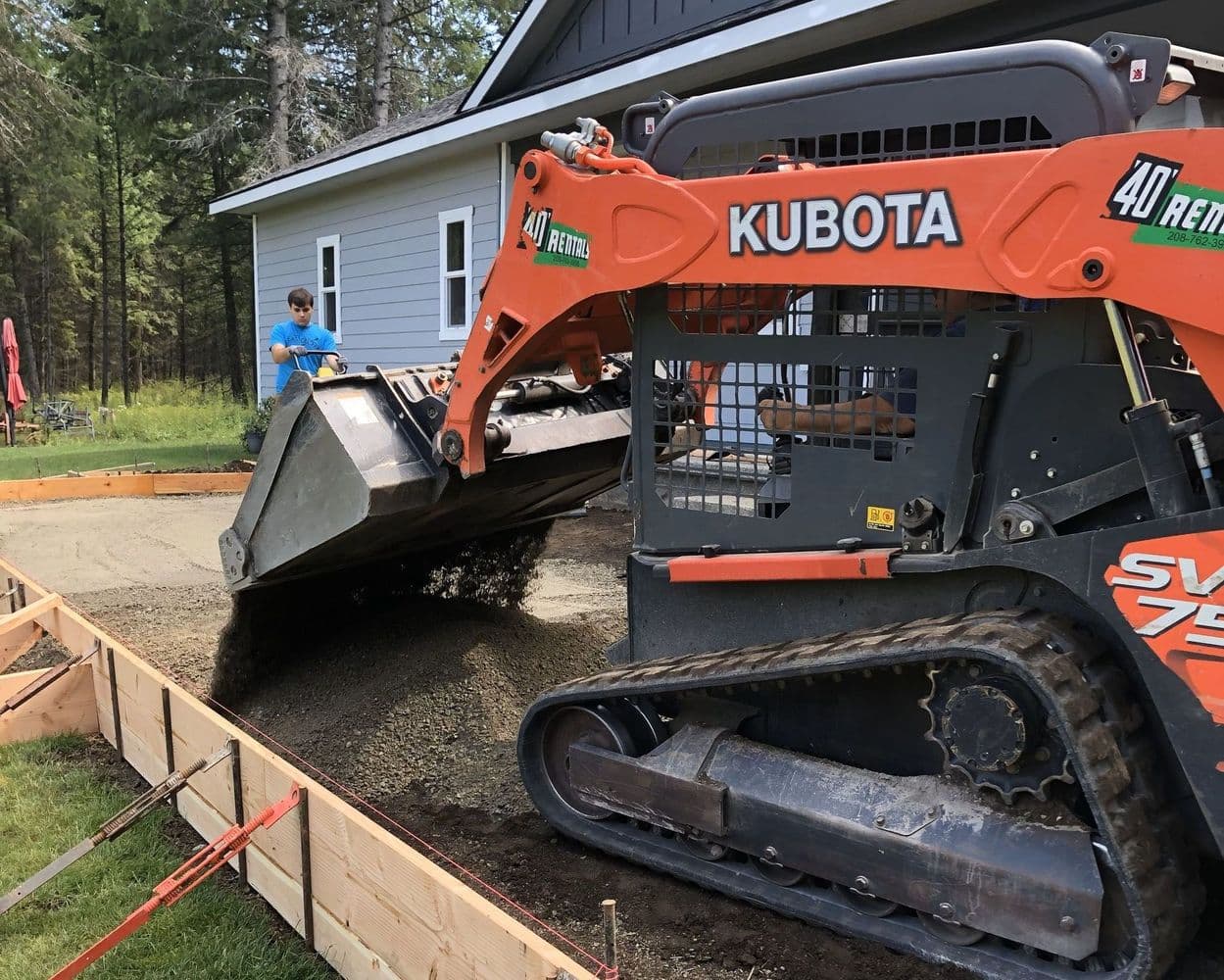
The core benchmark for any high-end installation is how it behaves after a decade of severe freeze-thaw cycles. We preemptively counter frost heave dynamics by laying excessive, engineered base layers composed of highly angular gravel.
Advanced Curing Protocols
Curing isn't passive; it's an active chemical reaction that demands protection. Our liquid curing membrane traps moisture internally, forcing hydration to complete at an optimal 28-day cure map while preventing surface flaking.
Final Inspection Standards
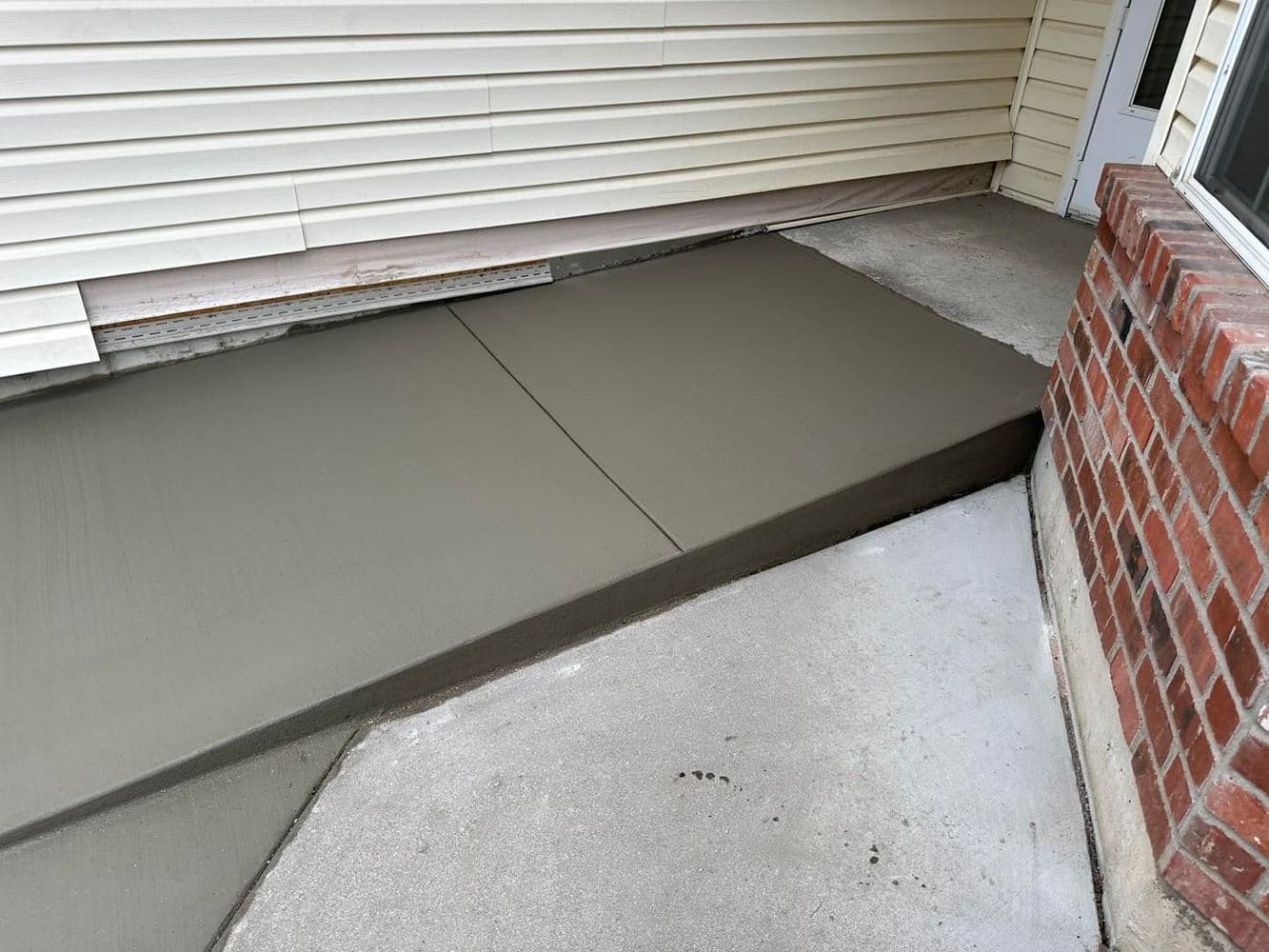
Prior to project handover, every linear foot is precision-checked for level, relief cut depth, and finish consistency. This rigorous evaluation guarantees the permanence of our work.