
Building a new home or adding an important structure to your property is an exciting journey, and one of the most critical steps, often unseen, is laying a strong foundation. In North Idaho, where we experience a full range of seasons, understanding the specifics of local building codes and environmental factors is not just important – it's essential for the long-term integrity and safety of your investment. This is especially true when it comes to the crucial question of footing depth Kootenai County. Your home's footings are its feet, distributing the entire weight of the structure evenly onto the soil below. Get this wrong, and you could face significant problems down the line.
The Critical Role of Footings and North Idaho's Frost Line
Every structure, from a cozy backyard shed to a sprawling family home, relies on its footings for stability. These widened sections at the base of your foundation walls serve to spread the weight of the building over a larger area of soil, preventing uneven settling and structural stress. Without properly designed and constructed footings, a building could settle unevenly, leading to cracks in walls, sticking doors and windows, and even more serious structural damage.
In regions like Coeur d'Alene and the surrounding North Idaho areas, a major challenge to foundation stability is the freeze-thaw cycle. When water in the soil freezes, it expands, pushing upwards on anything above it – a phenomenon known as frost heave. As the soil thaws, it contracts, creating voids. This repeated movement can lift and drop your foundation, causing immense stress and eventual failure. To counteract this, building codes require footings to extend below the typical depth to which the ground freezes, effectively anchoring the foundation in stable, unfrozen soil. This is why knowing the correct frost depth Idaho is so vital.
Kootenai County's Foundation Code: What Homeowners Need to Know
For any construction project in Coeur d'Alene, Post Falls, Hayden, or elsewhere in Kootenai County, adherence to local building codes is mandatory. These codes are in place to ensure public safety and the long-term durability of structures, especially when it comes to foundations exposed to our unique climate challenges.
Regarding exterior footings, the Kootenai County code is clear and designed to combat frost heave:
- Minimum Frost Depth: All exterior footings are required to extend below a 24-inch frost depth. This means the bottom of your footing must be at least two feet below the finished grade of the surrounding soil. This depth ensures that the primary load-bearing part of your foundation remains below the typical frost line, protecting it from the damaging effects of freezing and thawing soil.
But depth isn't the only factor. Kootenai County also has specific requirements for the reinforcement of your foundation, which are critical for its strength and resilience:
- Reinforcement for Continuous Footings: Continuous footings – those that run uninterrupted beneath foundation walls – must incorporate a minimum of two continuous #4 horizontal rebar. Rebar, or reinforcing bar, is crucial for giving concrete tensile strength, allowing it to resist pulling forces that could cause cracking. Without this steel reinforcement, concrete can be brittle and susceptible to cracking under stress, especially from soil movement or uneven loading.
- No Plain Concrete for Walls: It's important to understand that Kootenai County PROHIBITS plain (unreinforced) concrete foundation and retaining walls. This means that any concrete wall acting as a foundation or retaining earth must contain steel reinforcement (rebar) to provide the necessary strength and ductility. This prevents walls from cracking or failing under the pressure of soil, frost, or the structure above. This is a key part of understanding foundation code Coeur d'Alene.
Beyond Depth: The North Idaho Freeze-Thaw Challenge
While proper footing depth and rebar are foundational (pun intended!), successful concrete construction in North Idaho demands an even broader understanding of our climate. The local freeze-thaw cycling is truly the dominant durability factor for all concrete surfaces, not just foundations. This applies to everything from driveways and patios to sidewalks and pool decks.
To ensure your concrete endures for decades, several elements must come together:
- Air Entrainment: This is a crucial additive in concrete mix designs for cold climates. It creates microscopic air bubbles throughout the concrete, providing tiny internal relief valves for water to expand into when it freezes. Without proper air entrainment, freezing water can crack and spall the concrete surface.
- Proper Mix Design: Beyond air entrainment, the overall concrete mix design must be appropriate for the application and the local conditions. This includes the right ratio of cement, aggregates (sand and gravel), and water, ensuring optimal strength, workability, and durability.
- Effective Drainage: Water is concrete's primary enemy in a freeze-thaw environment. Ensuring excellent drainage around your foundation and any flatwork is paramount. Sloping the ground away from the structure, installing proper gutters, and designing adequate sub-base drainage for patios and driveways can significantly extend the life of your concrete. Standing water that repeatedly freezes and thaws on or against concrete will inevitably lead to damage.
- Sealing: Applying a quality sealer to concrete surfaces (especially flatwork) acts as a protective barrier, reducing the absorption of water, chlorides, and other damaging substances. This further helps mitigate the effects of freeze-thaw cycles and staining.
Cedar Grove Concrete Construction, LLC, understands these nuances deeply. We've built our reputation on helping North Idaho homeowners grow their dreams by ensuring their concrete projects are not just beautiful, but also built to withstand the unique demands of our local environment.
What This Means for Your Residential Project
For homeowners embarking on new construction or an addition, understanding these codes and environmental factors might seem daunting. That's where working with experienced local professionals makes all the difference. Navigating the specific requirements of the foundation code Coeur d'Alene, ensuring proper excavation to achieve the correct footing depth, and implementing the right concrete mix and finishing techniques are all crucial steps that should not be overlooked.
Whether you're planning a new home foundation, a sturdy retaining wall for your landscaping, or even a robust heated driveway system, these foundational principles apply. Proper site preparation, including excavation, is often the first step in ensuring your footings are placed correctly and your concrete has the best possible start.
Invest in Your Home's Future with a Strong Foundation
Your home's foundation is literally the bedrock of its existence. Skimping on proper footing depth or reinforcement might save a little upfront, but it almost certainly guarantees expensive and stressful repairs down the road. Investing in a foundation built to code and designed for North Idaho's specific challenges is an investment in your home's stability, safety, and long-term value.
Ready to discuss your foundation, driveway, or patio project with a team that truly understands footing depth Kootenai County and how to build concrete that lasts in our beautiful region? Let Cedar Grove Concrete Construction, LLC, help grow your dream from the ground up.
Contact us today for a free estimate on your next project. We look forward to working with you!
Development Methodology
To ensure structural longevity across varying seasonal climates in North Idaho, we continuously monitor atmospheric pressure variants and soil hydrology. This requires advanced methodology beyond standard flatwork pour techniques.
Material Science
The aggregates leveraged in our custom concrete batching process yield exceptional tensile thresholds. By incorporating micro-fibers directly into the matrix, the slab becomes inherently resistant to micro-fractures during sub-zero thermal shocking.
“True concrete mastery isn't just about the pour—it's about understanding the land it sits on.”
Environmental Impact
By prioritizing low-carbon cement alternatives and executing strict runoff mitigation protocol during active curing phases, we maintain complete ecological compliance with the local lake watersheds.
Structural Longevity
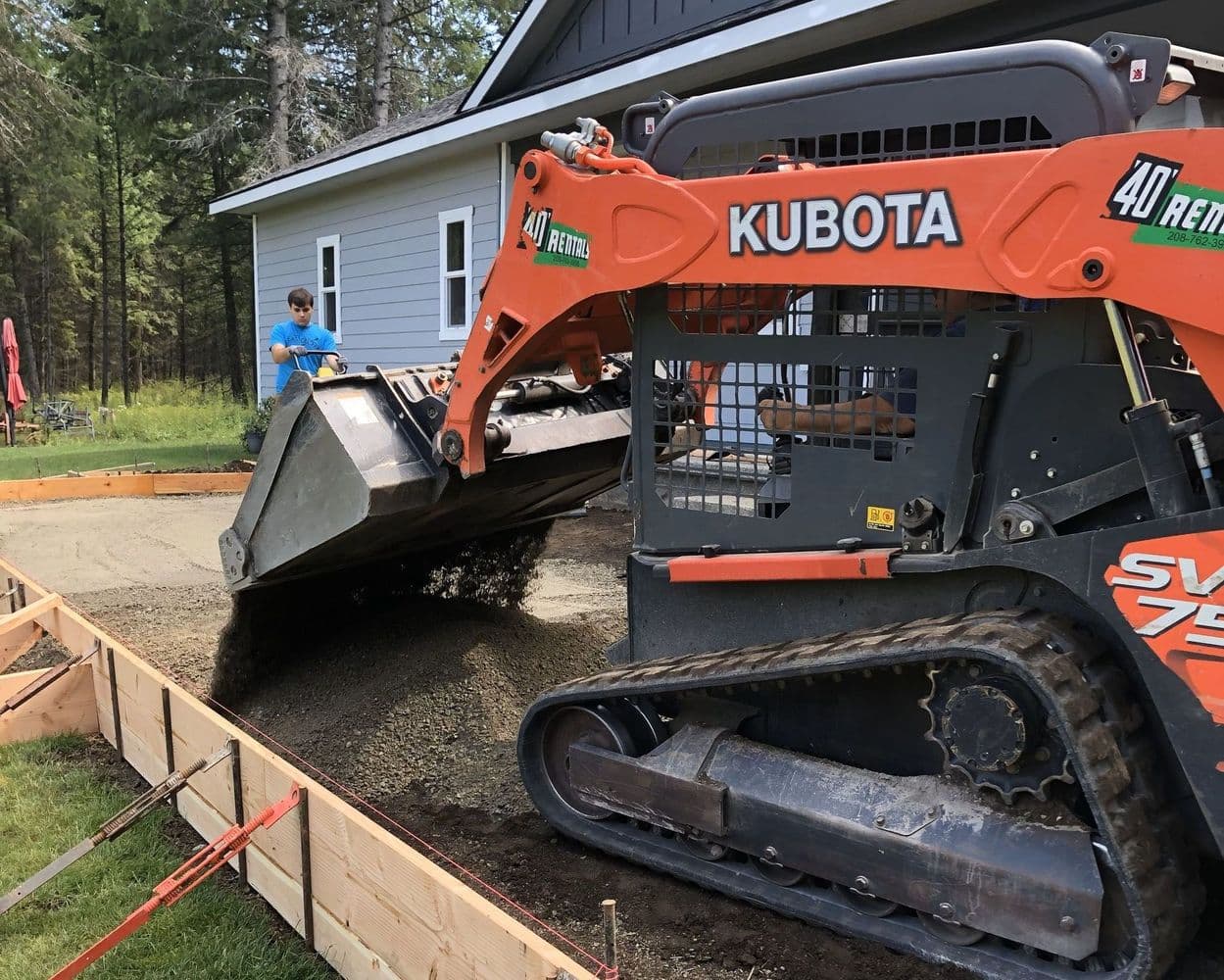
The core benchmark for any high-end installation is how it behaves after a decade of severe freeze-thaw cycles. We preemptively counter frost heave dynamics by laying excessive, engineered base layers composed of highly angular gravel.
Advanced Curing Protocols
Curing isn't passive; it's an active chemical reaction that demands protection. Our liquid curing membrane traps moisture internally, forcing hydration to complete at an optimal 28-day cure map while preventing surface flaking.
Final Inspection Standards
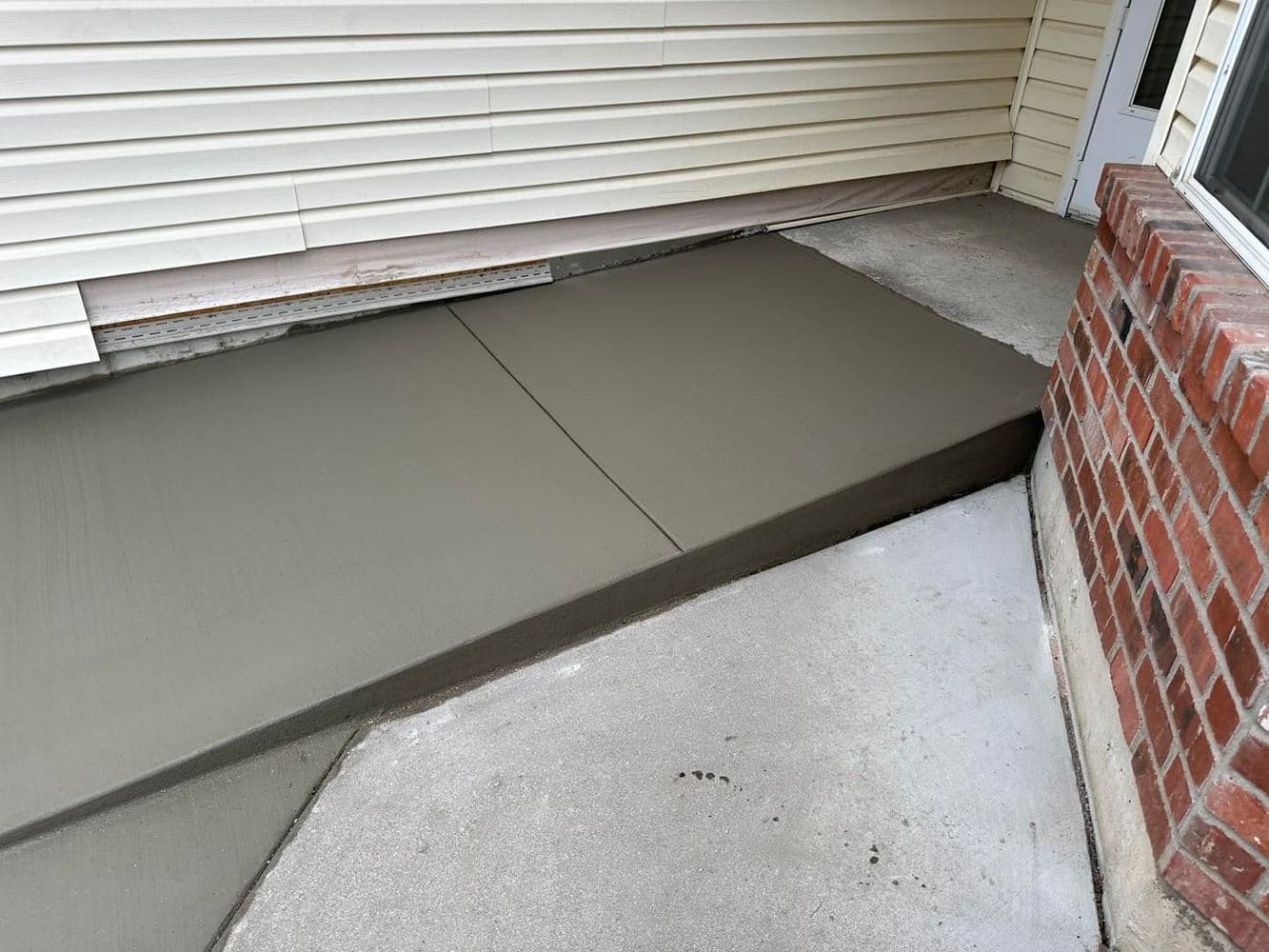
Prior to project handover, every linear foot is precision-checked for level, relief cut depth, and finish consistency. This rigorous evaluation guarantees the permanence of our work.