
If you've ever looked closely at a concrete driveway, patio, or sidewalk, you’ve probably noticed lines etched or cut into its surface. Perhaps you've wondered if they're purely decorative, or if they serve some mysterious purpose. These lines, far from being an afterthought, are actually vital components of well-engineered concrete. They are called control joints and expansion joints, and understanding their role is key to appreciating the longevity and durability of your concrete surfaces, especially here in North Idaho.
The Invisible Battle: Why Concrete Cracks
Concrete is an amazing, durable material, but it has a couple of natural tendencies that need to be managed. One of the most significant is its tendency to shrink slightly as it cures and dries. This isn't a flaw; it's just what concrete does. As it shrinks, internal stresses build up. If these stresses aren't relieved, concrete will crack in a random, uncontrolled manner. These random cracks can be unsightly, trip hazards, and more importantly, they can compromise the structural integrity and lifespan of your concrete.
This is where control joints come in. Imagine trying to tear a piece of paper – it's tough to get a straight tear without a starting point. But if you make a small cut first, the paper will tear neatly along that line. Control joints work on a similar principle. They are strategically placed grooves or saw cuts that create weakened planes in the concrete slab. This encourages the concrete's inevitable shrinkage cracks to occur neatly and invisibly within these pre-determined lines, rather than appearing as unsightly, jagged cracks across your beautiful patio or driveway.
For homeowners, understanding control joints concrete is essential because it directly impacts the appearance and maintenance of your outdoor living spaces. A well-designed system of control joints ensures that your concrete flatwork remains strong and attractive for years to come.
Control Joints vs. Expansion Joints: Not Quite the Same
While often used interchangeably by the general public, control joints and expansion joints serve distinct purposes, though both are crucial for concrete health.
Control Joints: Managing Shrinkage
As we've discussed, control joints primarily manage the shrinkage of concrete. They are typically cut into the slab after it has been poured and has achieved some initial strength, or formed with a groover during the finishing process. The depth of these joints is important, usually about one-quarter to one-third the thickness of the slab, to create that effective weakened plane.
The concrete joint spacing is a critical design factor. For residential flatwork like driveways and patios, spacing is determined by factors such as slab thickness, aggregate size, and expected environmental conditions. In our region, where temperatures can swing dramatically, proper spacing is even more vital. Too far apart, and you risk random cracking between the joints. Too close, and you might have an excessive number of lines, though this is generally less problematic than uncontrolled cracking. A general rule of thumb for flatwork is to space control joints in feet at a measurement equal to 2-3 times the slab thickness in inches. For example, a 4-inch thick slab might have joints every 8-12 feet. Reputable contractors like Cedar Grove Concrete Construction, LLC understand these nuances and design joint layouts specifically for the conditions in Coeur d'Alene and surrounding areas.
Expansion Joints: Accommodating Movement
While control joints deal with shrinkage, expansion joints handle the opposite: expansion. Concrete, like most materials, expands when it gets hot and contracts when it gets cold. In North Idaho, with our scorching summers and freezing winters, this thermal movement is a significant factor.
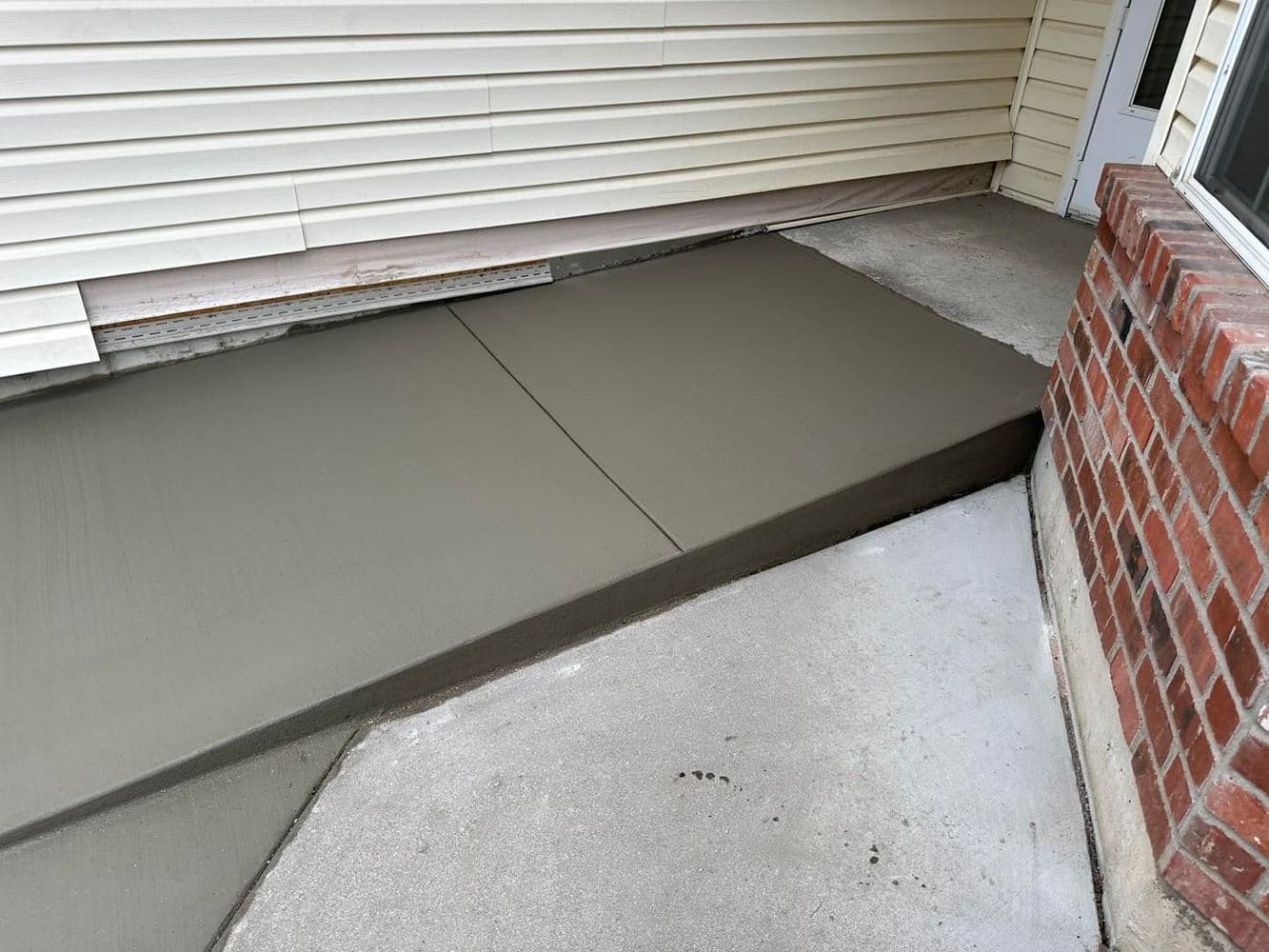
Expansion joints driveway installations are particularly important where a concrete slab abuts an existing structure, like your garage foundation, house wall, or even a different concrete slab. Without an expansion joint, the expanding concrete would push against the immovable structure, potentially causing both the slab and the structure to crack or buckle – a phenomenon known as "heaving."
These joints are full-depth separations in the concrete, filled with a compressible material such as asphalt-impregnated fiberboard or cork. This material acts as a cushion, allowing the concrete to expand into the joint without creating damaging pressure. Common locations for expansion joints include:
- Where a new driveway meets a garage floor.
- Around columns or posts embedded in a slab.
- Where a patio meets the house foundation.
- At long intervals in very large slabs to break up large areas of concrete.
Why These Joints Are Non-Negotiable in North Idaho
The specific climate and building codes of our region make properly installed control and expansion joints not just good practice, but absolutely essential for the longevity of your concrete.
Battling the Freeze-Thaw Cycle
North Idaho is notorious for its harsh winters and significant temperature fluctuations. This constant freezing and thawing of moisture within and around concrete is the dominant durability factor here. When water seeps into cracks, voids, or even the pores of the concrete itself, and then freezes, it expands by about 9%. This expansion creates immense pressure that can literally tear the concrete apart, leading to spalling, scaling, and eventual structural failure.
- Control joints help by channeling minor cracks into neat lines, preventing random, jagged cracks that are difficult to seal and can become pathways for water ingress.
- Expansion joints prevent buckling and large-scale cracking that would allow water to penetrate deep under the slab, potentially leading to frost heave from expanding frozen soil.
Beyond joints, a high-quality concrete mix with proper air entrainment is crucial. Air-entrained concrete contains microscopic air bubbles that provide tiny "relief valves" for water to expand into when it freezes, further protecting the concrete from freeze-thaw damage. Coupled with proper drainage and periodic sealing, these measures collectively safeguard your investment.
Local Code & Structural Integrity
While the local Kootenai County codes specify requirements for foundations, they underscore the importance of structural integrity in all concrete work. For instance, Kootenai County requires exterior footings to extend below a 24-inch frost depth. This illustrates the understanding of frost's power and the need for durable construction. Similarly, the county code requires a minimum of two continuous #4 horizontal rebar in continuous footings and explicitly PROHIBITS plain (unreinforced) concrete foundation and retaining walls.
These foundation requirements highlight that every aspect of concrete design, from its mix to its reinforcement and joint placement, must be meticulously planned to withstand local environmental stresses. While control and expansion joints primarily address flatwork issues like cracking and heaving, they are part of the same engineering philosophy that ensures all concrete elements, including your foundation, are robust and resilient.
The Cedar Grove Concrete Difference
At Cedar Grove Concrete Construction, LLC, we understand that "Helping Grow Your Dream" means building with an eye for quality and longevity. Our team, led by Scott Cardwell, takes pride in designing and installing concrete solutions that not only look fantastic but are also engineered to endure the unique challenges of the Coeur d'Alene, Post Falls, Hayden, Rathdrum, Spirit Lake, Sandpoint, and Spokane WA regions. From precise concrete joint spacing in your new driveway to meticulously placed expansion joints driveway where it meets your home, we ensure every detail contributes to the lasting strength and beauty of your project.
Properly executed control and expansion joints are a testament to quality craftsmanship and thoughtful engineering. They are a small detail with a huge impact, ensuring that your concrete investments remain beautiful and functional for many years to come.
Ready to Discuss Your Concrete Project?
Whether you're planning a new driveway, patio, or need expert advice on any concrete project, Cedar Grove Concrete Construction, LLC is here to help. We combine local expertise with a commitment to excellence.
Contact us today for a free estimate and let us help you grow your dream with durable, beautiful concrete.
Development Methodology
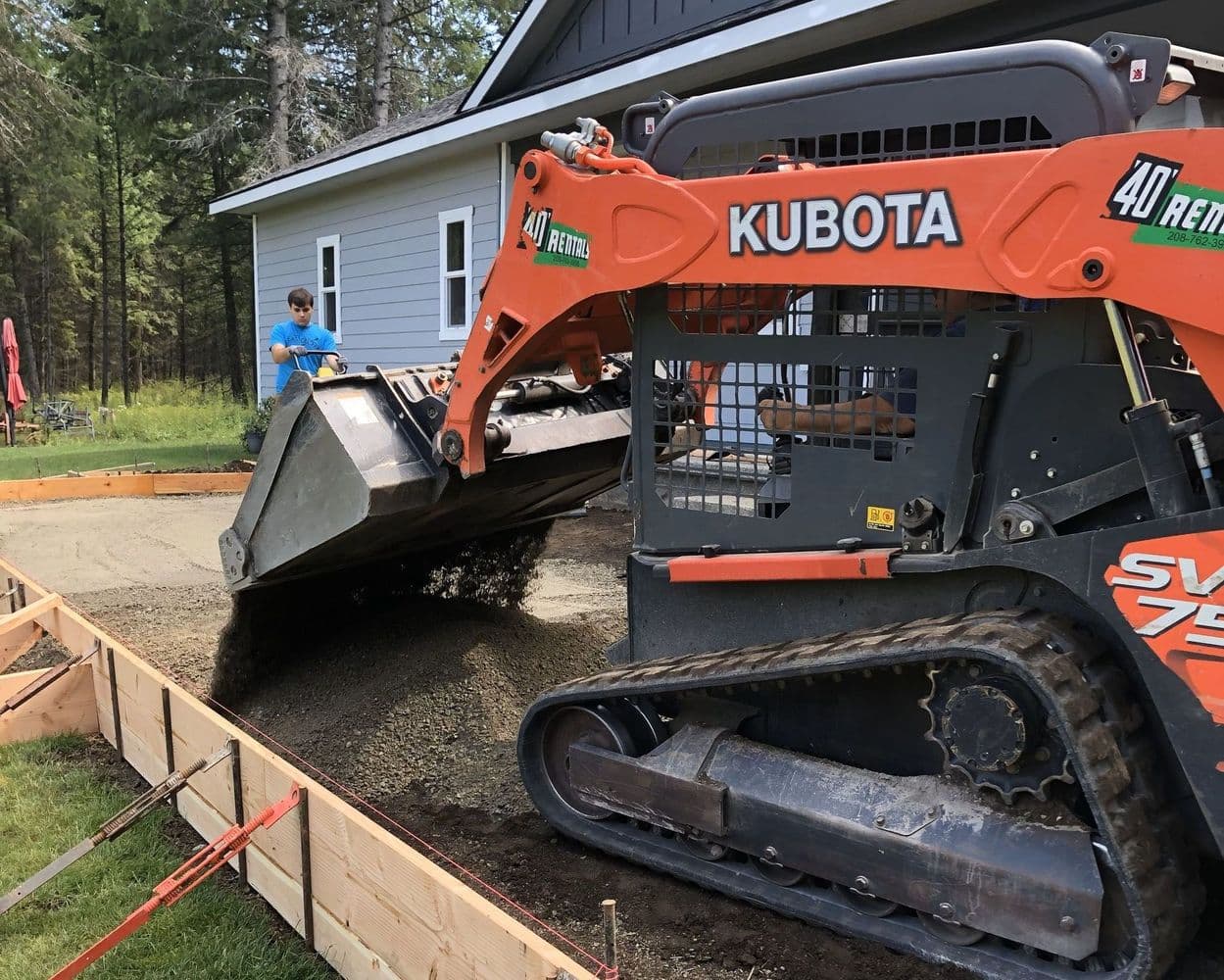
To ensure structural longevity across varying seasonal climates in North Idaho, we continuously monitor atmospheric pressure variants and soil hydrology. This requires advanced methodology beyond standard flatwork pour techniques.
Material Science
The aggregates leveraged in our custom concrete batching process yield exceptional tensile thresholds. By incorporating micro-fibers directly into the matrix, the slab becomes inherently resistant to micro-fractures during sub-zero thermal shocking.
“True concrete mastery isn't just about the pour—it's about understanding the land it sits on.”
Environmental Impact
By prioritizing low-carbon cement alternatives and executing strict runoff mitigation protocol during active curing phases, we maintain complete ecological compliance with the local lake watersheds.
Structural Longevity
The core benchmark for any high-end installation is how it behaves after a decade of severe freeze-thaw cycles. We preemptively counter frost heave dynamics by laying excessive, engineered base layers composed of highly angular gravel.
Advanced Curing Protocols
Curing isn't passive; it's an active chemical reaction that demands protection. Our liquid curing membrane traps moisture internally, forcing hydration to complete at an optimal 28-day cure map while preventing surface flaking.
Final Inspection Standards
Prior to project handover, every linear foot is precision-checked for level, relief cut depth, and finish consistency. This rigorous evaluation guarantees the permanence of our work.