
Choosing the right driveway material is a significant decision for any homeowner, especially here in the picturesque yet challenging climate of North Idaho. Your driveway is more than just a path to your garage; it’s a crucial part of your home’s curb appeal, functionality, and long-term value. When considering a concrete vs asphalt driveway Idaho, understanding the pros and cons of each material, particularly in our unique environment, is essential for making a choice that will stand the test of time. Let's dive into a comprehensive driveway material comparison to help you decide.
The Fundamental Difference: Concrete vs. Asphalt
Before we delve into the specifics, it's helpful to understand what each material is.
What is Concrete?
Concrete is a mixture of cement, water, and aggregates (sand, gravel, or crushed stone). When mixed, it forms a paste that hardens over time, creating an incredibly strong and durable surface. It's renowned for its versatility and long lifespan.
What is Asphalt?
Asphalt, also known as blacktop or hot mix asphalt, is a petroleum-based product typically made from aggregate mixed with bitumen (a black, sticky, viscous form of petroleum). It's valued for its flexibility and relatively quick installation process.
Durability and Lifespan: Built to Last Against North Idaho Winters
When it comes to durability, especially against North Idaho's distinct weather patterns, concrete generally has a significant edge.
Concrete driveways, when properly installed and maintained, can last 30 years or more. Their rigidity makes them resistant to heavy loads and surface wear. However, in our region, a critical factor for concrete's longevity is its ability to withstand constant freeze-thaw cycling. This is where proper mix design, air entrainment, and excellent drainage become non-negotiable. Air entrainment creates microscopic air bubbles within the concrete, providing tiny internal relief valves for water expansion during freezing, preventing spalling and cracking. A well-prepared sub-base and adequate drainage are equally vital to prevent water from accumulating underneath, which can lead to heaving and cracking when it freezes.
Asphalt, on the other hand, typically has a shorter lifespan, averaging 15-20 years. Its flexibility allows it to handle minor ground shifts without cracking as readily as concrete might. However, this flexibility also means it can soften in extreme heat and become brittle in extreme cold. The constant expansion and contraction from our freeze-thaw cycles can lead to alligator cracking, potholes, and erosion of the aggregate, especially if it's not regularly sealed. Heavy snow loads and repeated plowing can also accelerate its deterioration.
Maintenance & Upkeep: What to Expect
Maintenance is another key area where these two materials differ considerably.
- Concrete Driveways:
- Sealing: It's recommended to seal concrete driveways every 2-5 years. This helps protect the surface from moisture penetration, chemicals, and staining, especially important for preventing freeze-thaw damage.
- Cleaning: Occasional pressure washing can keep concrete looking new.
- Crack Repair: While concrete is durable, cracks can occur. These are typically filled with specialized sealants to prevent water infiltration and further damage.
- Less Frequent Major Repairs: If properly installed, major repairs like resurfacing are rare.
- Asphalt Driveways:
- Sealing: Asphalt requires more frequent sealing, typically every 1-3 years. This helps replenish the bitumen, protecting the surface from UV rays, water, and oxidation.
- Patching: Cracks and potholes are more common and require regular patching to prevent them from worsening.
- Resurfacing: Over time, an asphalt driveway will likely need resurfacing (adding a new layer) to extend its life, usually every 5-10 years depending on traffic and climate. This is a more significant undertaking than simple sealing.
Initial vs. Long-Term Cost: A Smart Investment
When comparing costs, it's crucial to look beyond the initial installation price. While asphalt often has a lower upfront cost per square foot, its more intensive maintenance schedule and shorter lifespan often mean higher long-term expenses.
Concrete, with its higher initial investment, typically offers a better return over its much longer lifespan due to lower maintenance costs and greater durability. Think of it as investing in longevity and less hassle down the road. It's about getting more value for your dollar over the decades you'll own your home.
Aesthetics and Customization: Beyond Basic Black or Gray
This is an area where concrete truly shines, allowing homeowners to personalize their property in ways asphalt simply cannot.
While asphalt is limited to a black finish, concrete offers a vast array of aesthetic possibilities. Cedar Grove Concrete Construction, LLC specializes in turning basic gray concrete into stunning design elements for your home. Imagine:
- Exposed Aggregate: A finish that reveals the natural beauty of the stones within the concrete, offering a textured, slip-resistant surface that blends beautifully with natural landscapes.
- Stamped Concrete: Replicates the look of natural stone, brick, pavers, or wood with impressive realism, available in countless patterns and textures.
- Integral Color: Color pigments are added directly to the concrete mix, creating a rich, uniform hue that runs through the entire slab, offering endless design options from earthy tones to vibrant accents.
These decorative options not only enhance your home's curb appeal but also significantly boost its value, helping to "Grow Your Dream" home in style.
Winter Performance and Beyond: Snow, Ice, and Heated Options
North Idaho winters bring heavy snowfalls and icy conditions, which impact driveway performance.
Asphalt's dark color can help melt snow and ice faster on sunny days, but it also becomes more brittle in extreme cold, making it susceptible to damage from plows and shovels. Concrete is generally more robust against these impacts.
For ultimate winter convenience, concrete is the only material that allows for the integration of heated driveway systems. Imagine waking up to a clear driveway, free of snow and ice, without ever lifting a shovel. Cedar Grove Concrete Construction, LLC can design and install these innovative systems, providing unmatched safety and convenience throughout the coldest months. This is a premium feature that truly enhances winter living in Coeur d'Alene, Post Falls, and surrounding areas.
Why Concrete Often Wins in Coeur d'Alene and Beyond
Considering all factors, especially the demanding North Idaho environment, concrete often proves to be the superior choice for driveways. Its inherent strength, resistance to freeze-thaw cycles (when properly installed with air entrainment, correct mix design, and drainage), and lower long-term costs make it a wise investment.
Furthermore, working with a local contractor like Cedar Grove Concrete Construction, LLC ensures your project benefits from an understanding of specific regional requirements. We know that for structural components like foundations, Kootenai County requires exterior footings to extend below a 24-inch frost depth and mandates a minimum of two continuous #4 horizontal rebar in continuous footings. This commitment to structural integrity is further underscored by Kootenai County's prohibition of plain (unreinforced) concrete foundation and retaining walls, emphasizing the importance of reinforcement against the region's unique forces. While these specific rules apply to foundations, they highlight the general need for robust, code-compliant construction throughout our area, a principle we apply to all our work, including driveways.
By choosing concrete, you're not just getting a driveway; you're investing in a durable, attractive, and low-maintenance extension of your home designed to thrive in our beautiful corner of the world.
Ready to explore the possibilities for your new concrete driveway? Whether you're considering a classic finish, intricate stamping, or the ultimate convenience of a heated system, Cedar Grove Concrete Construction, LLC is here to help you design and build a driveway that will truly "Grow Your Dream."
Contact us today for a free estimate! Let's discuss your vision and create a durable, beautiful concrete solution for your home in Coeur d'Alene, Post Falls, Hayden, Rathdrum, Spirit Lake, Sandpoint, or Spokane, WA.
Development Methodology
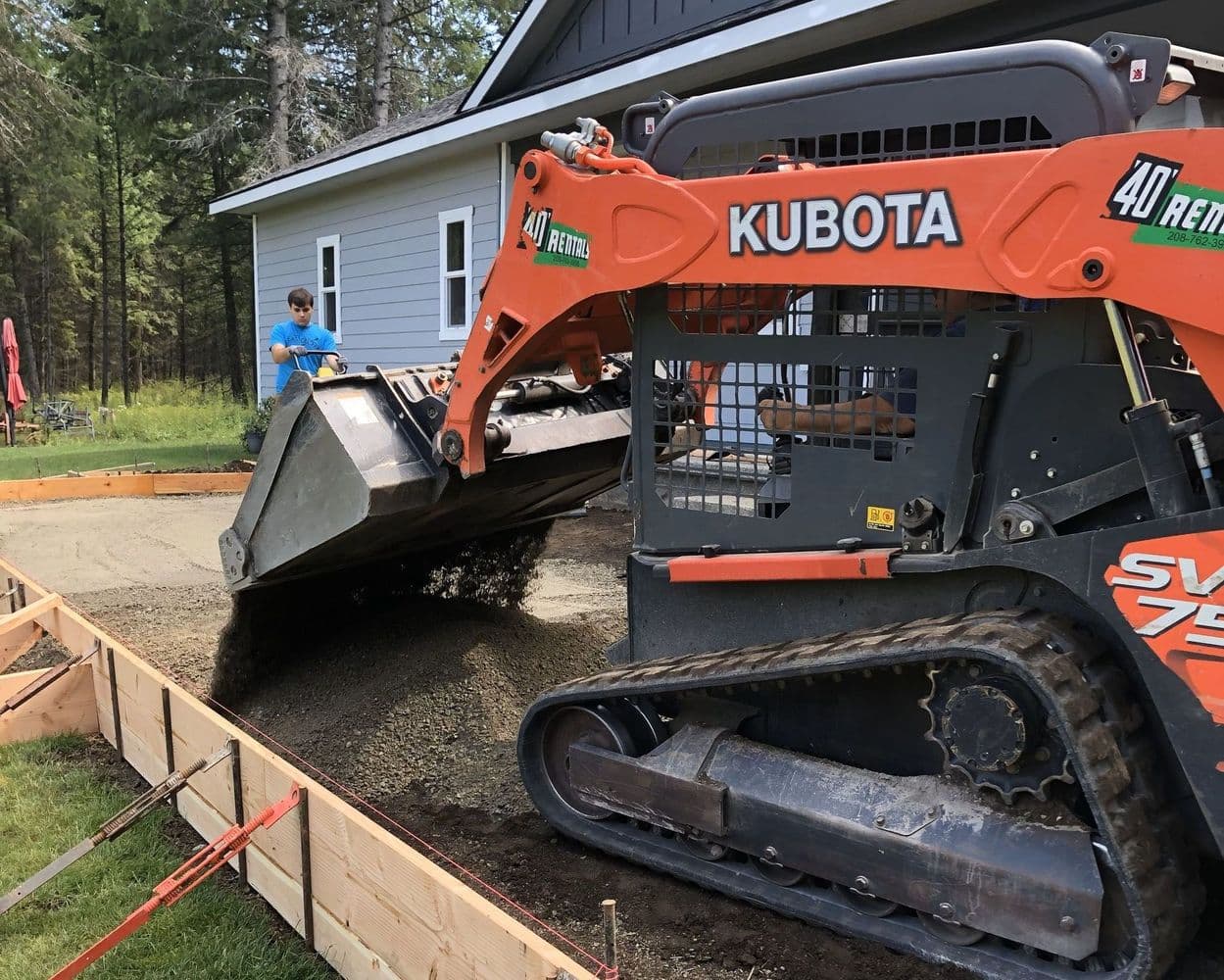
To ensure structural longevity across varying seasonal climates in North Idaho, we continuously monitor atmospheric pressure variants and soil hydrology. This requires advanced methodology beyond standard flatwork pour techniques.
Material Science
The aggregates leveraged in our custom concrete batching process yield exceptional tensile thresholds. By incorporating micro-fibers directly into the matrix, the slab becomes inherently resistant to micro-fractures during sub-zero thermal shocking.
“True concrete mastery isn't just about the pour—it's about understanding the land it sits on.”
Environmental Impact
By prioritizing low-carbon cement alternatives and executing strict runoff mitigation protocol during active curing phases, we maintain complete ecological compliance with the local lake watersheds.
Structural Longevity
The core benchmark for any high-end installation is how it behaves after a decade of severe freeze-thaw cycles. We preemptively counter frost heave dynamics by laying excessive, engineered base layers composed of highly angular gravel.
Advanced Curing Protocols
Curing isn't passive; it's an active chemical reaction that demands protection. Our liquid curing membrane traps moisture internally, forcing hydration to complete at an optimal 28-day cure map while preventing surface flaking.
Final Inspection Standards
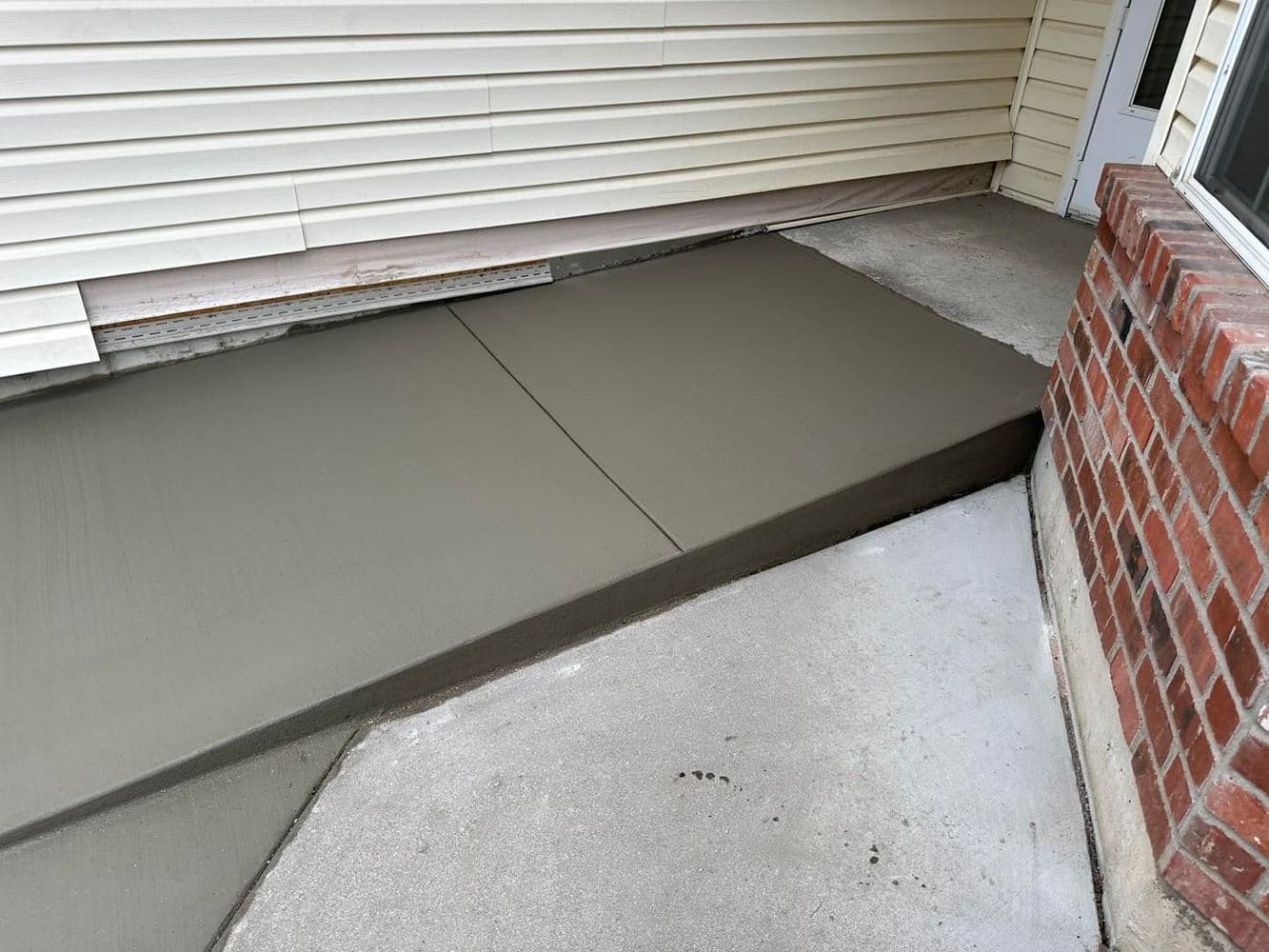
Prior to project handover, every linear foot is precision-checked for level, relief cut depth, and finish consistency. This rigorous evaluation guarantees the permanence of our work.