
Your concrete surfaces – driveways, patios, and sidewalks – are essential parts of your home's curb appeal and functionality. When these surfaces start to crack, tilt, or become uneven, it's not just an eyesore; it can be a trip hazard and a sign of deeper structural issues. In North Idaho, where our climate presents unique challenges, understanding the causes of concrete settling and heaving is crucial for homeowners. Let's explore what causes these common problems and how to address them effectively to protect your investment.
What Causes Concrete to Settle?
Concrete settling occurs when the ground beneath a slab or foundation shifts, compacts, or erodes, leading to a loss of support. The heavy weight of concrete then causes it to sink into the voids or soft spots.
Poor Soil Preparation and Compaction
This is by far the most common culprit. If the soil beneath a new concrete slab isn't properly excavated, graded, and compacted before the concrete is poured, it will naturally settle over time. Loose fill dirt, organic matter, or debris left in the sub-base will compress, creating voids and causing the concrete above to sink. This is especially true for projects that involve significant excavation, like new home foundations or large driveways.
Erosion and Washout
Water is a powerful force. Poor drainage around your home can lead to rainwater or melting snow pooling near concrete slabs. Over time, this water can seep into the ground underneath, eroding the soil particles and washing them away. As the supporting soil diminishes, the concrete loses its base and begins to settle, often creating new channels for water to exacerbate the problem. Leaking pipes or even excessive irrigation can also contribute to this issue.
Heavy Loads and Traffic
While concrete is incredibly strong, it has its limits. Regularly parking heavy vehicles, like RVs or large trucks, on a residential driveway not designed for such loads can accelerate settling, especially if the sub-base isn't adequately prepared or if the concrete itself is thinner than recommended for the expected traffic.
Understanding Concrete Heaving in North Idaho
While settling is about concrete sinking, heaving is the opposite – it’s when concrete slabs are pushed upwards, creating uneven surfaces. In our beautiful North Idaho region, the dominant factor contributing to concrete heaving is the freeze-thaw cycle.
The Impact of Freeze-Thaw Cycles
North Idaho experiences significant temperature fluctuations throughout the year, with cold winters that bring freezing temperatures. This constant freezing and thawing of water in the soil is a primary cause of heaving concrete slab issues. When water in the soil beneath your concrete freezes, it expands, pushing the concrete slab upwards. When the ground thaws, the soil contracts, leaving a void. This cycle repeats, weakening the sub-base and leading to significant displacement of concrete over time. This is why proper drainage, a well-designed concrete mix, and effective sealing are not just recommendations but necessities for durability here.
Other Contributors to Heaving
- Tree Roots: Aggressive tree roots seeking moisture can grow under concrete slabs, exerting upward pressure as they expand.
- Expansive Soils: While less prevalent as a dominant factor in North Idaho compared to some other regions, certain soil types can swell when wet and shrink when dry, contributing to slab movement.
Prevention: The Cedar Grove Concrete Difference
At Cedar Grove Concrete Construction, LLC, we understand that preventing these issues starts long before the concrete is poured. Our approach focuses on building a strong, lasting foundation for your concrete surfaces, specifically engineered for the North Idaho climate.
Superior Site Preparation and Drainage
Our process begins with meticulous excavation and site preparation. We ensure the sub-base is properly graded and compacted, removing organic materials and unstable soil that could lead to settling. Effective drainage solutions, such as proper grading away from the structure and potentially perimeter drains, are crucial to prevent water accumulation and subsequent erosion or freeze-thaw damage.
The Right Concrete Mix for Our Climate
For concrete durability in North Idaho, air entrainment, proper mix design, drainage, and sealing all matter. We use concrete mixes specifically formulated with air entrainment, which introduces microscopic air bubbles into the concrete. These bubbles provide tiny chambers for freezing water to expand into, significantly reducing internal pressure and preventing cracking and spalling caused by our intense freeze-thaw cycling.
Foundations and Structural Integrity
For foundations and other structural concrete work, adherence to local building codes is paramount. Kootenai County requires exterior footings to extend below a 24-inch frost depth. This ensures that your foundation is placed below the level where the ground freezes and thaws, protecting against frost heave. Additionally, Kootenai County requires a minimum of two continuous #4 horizontal rebar in continuous footings and PROHIBITS plain (unreinforced) concrete foundation and retaining walls. These reinforcements provide tensile strength, helping the concrete resist cracking and displacement from settling or heaving forces, making your structure robust and resilient for decades.
Protecting Your Concrete with Sealing
After your concrete has cured, applying a high-quality sealant is a vital step in prevention. Sealants create a protective barrier that repels water, preventing it from penetrating the concrete and the sub-base. This minimizes the effects of freeze-thaw cycles and staining, extending the life and appearance of your concrete.
Signs You Might Need Concrete Settling Repair in Idaho
It's important to be vigilant for early signs of concrete problems to prevent them from escalating. Look out for:
- Cracks: Any cracks, whether hairline, spiderweb, or significant, especially those with vertical displacement where one side is higher than the other, indicate movement.
- Uneven Surfaces: Patios, driveways, or sidewalks that are no longer level, creating trip hazards or poor aesthetics.
- Puddling Water: Areas where water consistently collects after rain or melting snow, suggesting a depression in the concrete.
- Gaps: Spaces appearing between your concrete slab and adjacent structures, or between individual slabs.
Fixing Settling and Heaving Concrete
When you notice these signs, it's time to consider a professional concrete settling repair in Idaho. Ignoring the problem can lead to further damage, safety hazards, and potentially more costly repairs down the line.
Slab Jacking (Polyjacking)
One of the most effective solutions for addressing uneven concrete is slab jacking, also known as polyjacking or concrete lifting. This process involves drilling small holes into the affected concrete slab and injecting a high-density polyurethane foam underneath. The foam expands and hardens, lifting the concrete back to its original position and stabilizing the sub-base. It's a less invasive, quicker, and often more cost-effective alternative to full concrete replacement, especially suitable for driveways, sidewalks, and patios.
Grinding
For very minor height differences or trip hazards that aren't indicative of significant underlying soil movement, grinding down the higher edge of a concrete slab can provide a temporary fix. However, this doesn't address the root cause and is usually only a band-aid solution.
Replacement
In cases of severe cracking, extensive damage, or structural failure where the concrete is beyond repair, full replacement may be the only option. When replacing concrete, it’s critical to address the original causes of settling or heaving to prevent the new concrete from suffering the same fate. This means thorough site preparation, proper drainage, and using the right mix and reinforcement as discussed earlier.
Helping Grow Your Dream in North Idaho
Whether you're looking to prevent future concrete problems or need expert solutions for existing ones, understanding the unique challenges of North Idaho is key. From the relentless freeze-thaw cycles to specific local building codes, these factors dictate how concrete should be installed and maintained to ensure its longevity.
At Cedar Grove Concrete Construction, LLC, we pride ourselves on our deep understanding of these local conditions. We're committed to delivering durable, high-quality concrete solutions that stand the test of time and truly help grow your dream home or business in Coeur d'Alene, Post Falls, Hayden, Rathdrum, Spirit Lake, Sandpoint, and Spokane WA.
If you’re concerned about settling or heaving concrete, or planning a new concrete project, contact Cedar Grove Concrete Construction today for a free estimate. Let us put our expertise to work for you.
Development Methodology
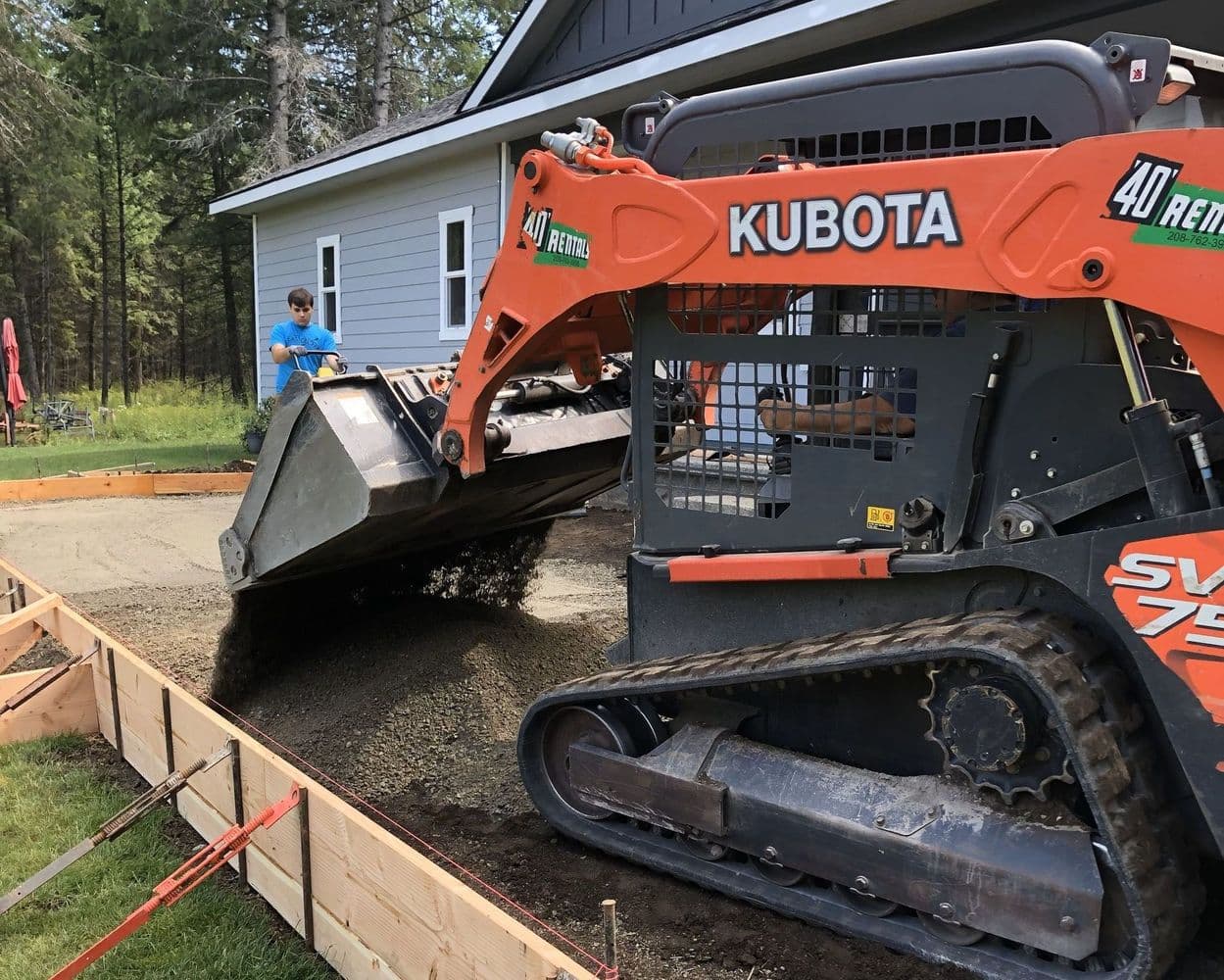
To ensure structural longevity across varying seasonal climates in North Idaho, we continuously monitor atmospheric pressure variants and soil hydrology. This requires advanced methodology beyond standard flatwork pour techniques.
Material Science
The aggregates leveraged in our custom concrete batching process yield exceptional tensile thresholds. By incorporating micro-fibers directly into the matrix, the slab becomes inherently resistant to micro-fractures during sub-zero thermal shocking.
“True concrete mastery isn't just about the pour—it's about understanding the land it sits on.”
Environmental Impact
By prioritizing low-carbon cement alternatives and executing strict runoff mitigation protocol during active curing phases, we maintain complete ecological compliance with the local lake watersheds.
Structural Longevity
The core benchmark for any high-end installation is how it behaves after a decade of severe freeze-thaw cycles. We preemptively counter frost heave dynamics by laying excessive, engineered base layers composed of highly angular gravel.
Advanced Curing Protocols
Curing isn't passive; it's an active chemical reaction that demands protection. Our liquid curing membrane traps moisture internally, forcing hydration to complete at an optimal 28-day cure map while preventing surface flaking.
Final Inspection Standards
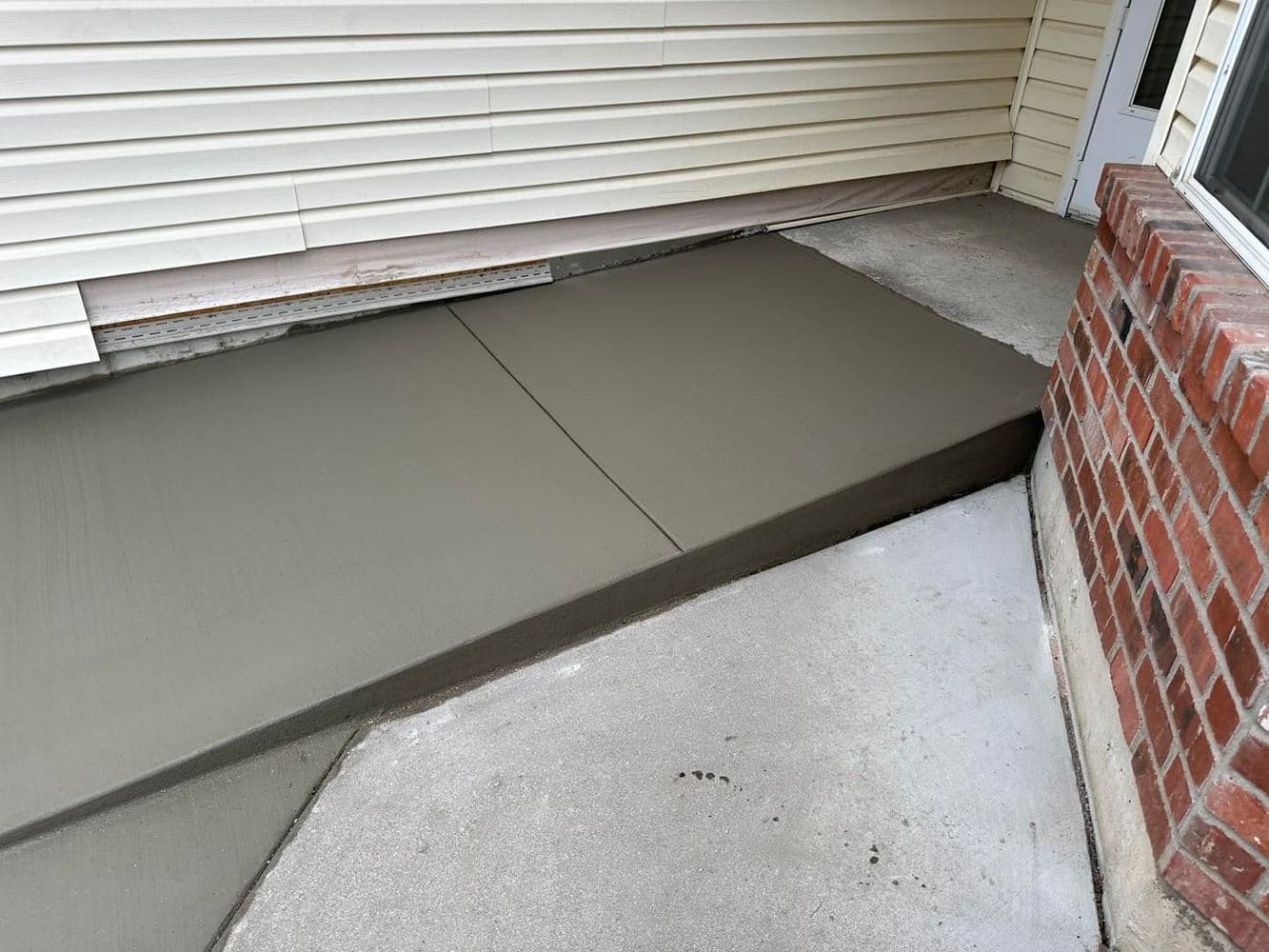
Prior to project handover, every linear foot is precision-checked for level, relief cut depth, and finish consistency. This rigorous evaluation guarantees the permanence of our work.