
Embarking on a concrete project for your home or business in Coeur d'Alene or the surrounding North Idaho region is an exciting step towards enhancing your property. Whether you're dreaming of a new driveway, a beautiful patio, a sturdy foundation, or even a heated driveway system to combat our snowy winters, understanding the local permit and inspection process is crucial. It might seem like an extra step, but securing the right concrete permit Coeur d'Alene ensures your project is safe, up to code, and built to last against our unique climate challenges.
Why Permits and Inspections Matter for Your Concrete Project
For many homeowners, the idea of permits can feel like unnecessary bureaucracy. However, these regulations are put in place for very good reasons: safety, structural integrity, and protecting your investment. A properly permitted and inspected concrete project guarantees that the work meets established standards, preventing potential hazards, costly future repairs, and issues when you eventually sell your home.
Think of it this way: a permit is your assurance that the work done on your property adheres to engineering standards designed to withstand local conditions, like heavy snow loads and our notorious freeze-thaw cycles. Without proper permitting, you risk fines, having to tear out and redo work, or facing difficulties with insurance claims or future property sales.
What Concrete Projects Require a Permit in Coeur d'Alene?
Not every small concrete repair will need a permit, but most significant projects do. Generally, if your project involves:
- Foundations and Structural Slabs: This includes new home foundations, additions, garage slabs, or any concrete that will support a structure.
- Retaining Walls: Walls designed to hold back earth, especially those over a certain height (typically 4 feet from the bottom of the footing to the top of the wall) or supporting a surcharge.
- Significant Driveway or Patio Installations: While minor concrete flatwork might be exempt, large-scale projects, those impacting drainage, or those that might involve significant excavation often require review.
- Heated Driveway Systems: These complex installations involve electrical and concrete work, making permitting essential for safety and function.
- Any project that alters the structural integrity of an existing building.
When in doubt, it's always best to consult with your contractor or the Kootenai County Building Department. Cedar Grove Concrete Construction, LLC, led by owner Scott Cardwell, has extensive experience navigating these requirements for projects across Coeur d'Alene, Post Falls, Hayden, Rathdrum, Spirit Lake, Sandpoint, and even Spokane WA. We can help you determine if your project needs a concrete permit Coeur d'Alene and assist with the application process.
Navigating the Concrete Permit Process in Kootenai County
The process for obtaining a concrete permit in Kootenai County typically involves submitting an application, detailed plans or drawings of your proposed project, and paying applicable fees. The Kootenai County Building Department will then review your submission to ensure it complies with local building codes.
For homeowners, this can sometimes feel overwhelming, especially if you're not familiar with architectural drawings or code specifics. This is where partnering with an experienced local contractor like Cedar Grove Concrete becomes invaluable. We understand the local requirements and can help prepare or guide you through the necessary documentation, making the process smoother and more efficient.
Key Kootenai County Concrete Code Requirements You Need to Know
When planning your concrete project, understanding specific concrete code requirements for Kootenai County is paramount. These aren't just arbitrary rules; they are designed to ensure the longevity and safety of your concrete structures, especially given North Idaho's challenging climate.
Here are some critical points verified by local regulations:
- Frost Depth: Kootenai County requires all exterior footings to extend below a minimum 24-inch frost depth. This is crucial for preventing frost heave, where freezing ground expands and lifts foundations, leading to significant structural damage. Properly designed footings keep your concrete stable through our cold winters.
- Reinforcement in Footings: Continuous footings in Kootenai County must include a minimum of two continuous #4 horizontal rebar (reinforcing bars). This rebar provides essential tensile strength, helping the concrete resist cracking and separating due to ground movement or settlement.
- Reinforced Walls: Kootenai County PROHIBITS plain (unreinforced) concrete foundation and retaining walls. This means any wall holding back earth or supporting a structure must include steel reinforcement to prevent collapse and ensure it can withstand the pressures exerted by soil and moisture, particularly with our region's freeze-thaw cycles.
These requirements directly address the environmental stresses unique to North Idaho, such as dramatic temperature fluctuations and significant snow accumulation. Ignoring them can lead to rapid deterioration of your concrete, necessitating costly repairs down the line.
The Crucial Role of a Building Inspection Kootenai County
Once your permit is issued, your project will typically require inspections at various stages. For concrete work, this often includes:
- Pre-Pour Inspection: Before any concrete is poured, an inspector will verify that your formwork, rebar placement, vapor barrier, and subgrade preparation (the ground beneath the concrete) meet code specifications. This is a critical checkpoint to ensure the foundation of your concrete work is sound.
- Final Inspection: After the concrete is poured and cured, a final inspection might be conducted to ensure the finished product meets code, particularly regarding drainage and overall quality.
These inspections serve as your assurance that the work performed by your contractor is compliant and of high quality. A successful building inspection Kootenai County is your green light, confirming your project is built correctly and safely.
Durability in the North Idaho Climate: Beyond the Code
While meeting code requirements is essential, building concrete that truly thrives in North Idaho's climate goes a step further. Our region experiences significant freeze-thaw cycling, where water repeatedly freezes and thaws within the concrete, leading to stress, cracking, and spalling if not properly addressed.
This is why Cedar Grove Concrete Construction focuses on several key durability factors:
- Air Entrainment: This process adds microscopic air bubbles to the concrete mix, providing tiny internal chambers for water to expand into when it freezes. It significantly improves freeze-thaw resistance.
- Proper Mix Design: Beyond air entrainment, selecting the right concrete mix strength and composition is vital for our local conditions.
- Excellent Drainage: Ensuring water properly drains away from your concrete structures prevents saturation and reduces the risk of freeze-thaw damage. This is a crucial consideration for driveways, patios, and foundations.
- Quality Sealing: Applying a high-quality sealer after your concrete has cured protects the surface from water penetration, chemicals, and abrasion, extending its lifespan.
Scott Cardwell and the team at Cedar Grove Concrete Construction understand these nuances intimately. We don't just pour concrete; we engineer solutions that stand the test of time in the beautiful but demanding environment of North Idaho, helping grow your dream into a lasting reality.
Your Project, Done Right
Navigating concrete permit Coeur d'Alene and building inspection Kootenai County requirements is a fundamental part of any successful concrete project in our area. By understanding the concrete code requirements and partnering with an experienced, local contractor like Cedar Grove Concrete Construction, LLC, you ensure your investment is protected, safe, and built to endure the unique challenges of our North Idaho climate.
Ready to start your concrete project with confidence? Contact Cedar Grove Concrete Construction, LLC today for a free estimate. Let us help you plan and execute your vision, ensuring every step, from permit to final pour, is handled professionally and expertly.
Development Methodology
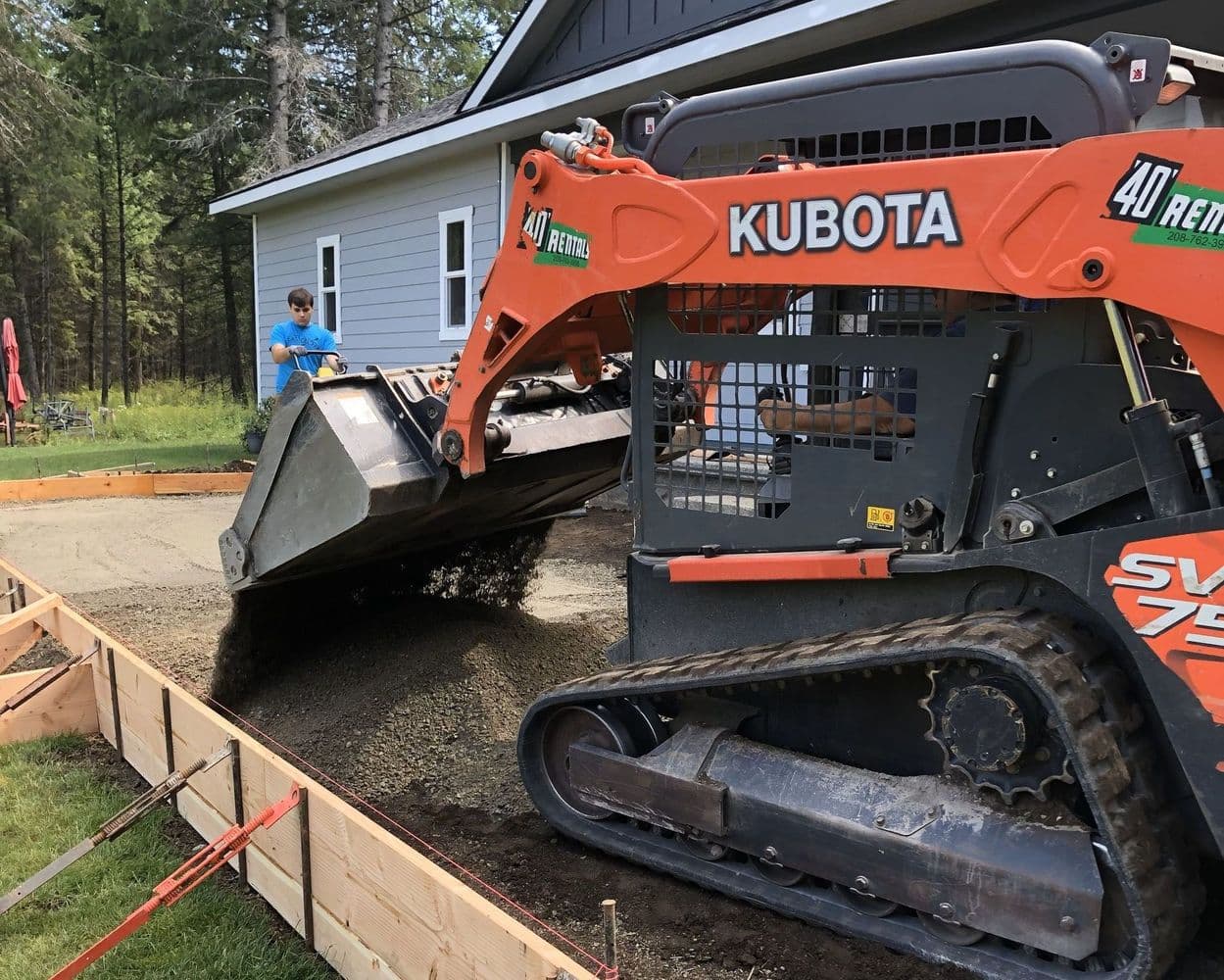
To ensure structural longevity across varying seasonal climates in North Idaho, we continuously monitor atmospheric pressure variants and soil hydrology. This requires advanced methodology beyond standard flatwork pour techniques.
Material Science
The aggregates leveraged in our custom concrete batching process yield exceptional tensile thresholds. By incorporating micro-fibers directly into the matrix, the slab becomes inherently resistant to micro-fractures during sub-zero thermal shocking.
“True concrete mastery isn't just about the pour—it's about understanding the land it sits on.”
Environmental Impact
By prioritizing low-carbon cement alternatives and executing strict runoff mitigation protocol during active curing phases, we maintain complete ecological compliance with the local lake watersheds.
Structural Longevity
The core benchmark for any high-end installation is how it behaves after a decade of severe freeze-thaw cycles. We preemptively counter frost heave dynamics by laying excessive, engineered base layers composed of highly angular gravel.
Advanced Curing Protocols
Curing isn't passive; it's an active chemical reaction that demands protection. Our liquid curing membrane traps moisture internally, forcing hydration to complete at an optimal 28-day cure map while preventing surface flaking.
Final Inspection Standards
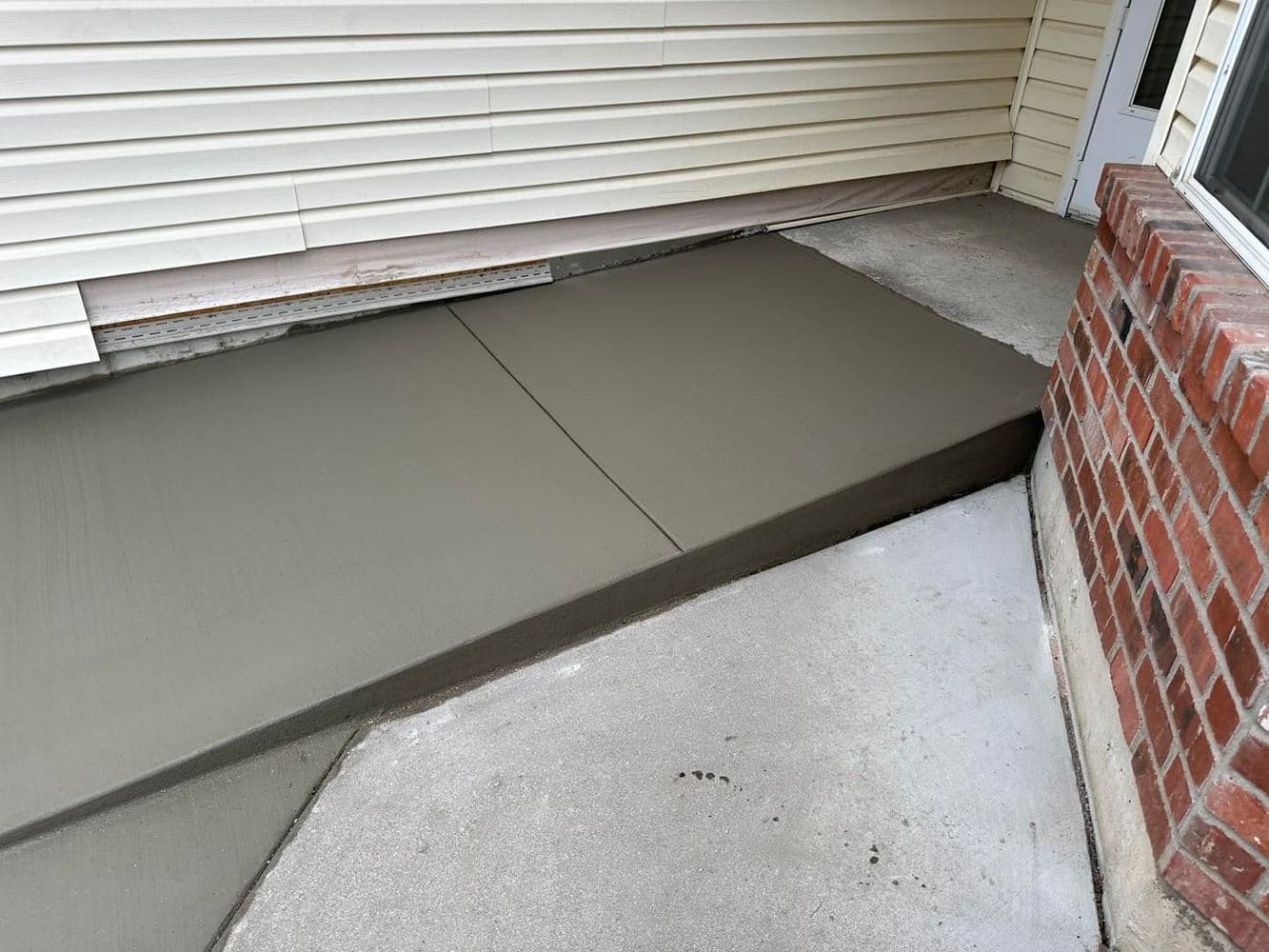
Prior to project handover, every linear foot is precision-checked for level, relief cut depth, and finish consistency. This rigorous evaluation guarantees the permanence of our work.