
A concrete driveway is more than just a place to park your car; it's a significant part of your home's curb appeal and a crucial functional element. For homeowners in Post Falls, the longevity and performance of a concrete driveway are heavily influenced by our unique North Idaho climate. From heavy snowfalls to the relentless freeze-thaw cycles, your driveway takes a beating year after year. Understanding the signs that your concrete driveway might be nearing the end of its life can save you future headaches and ensure your property remains safe and attractive.
The North Idaho Challenge: Why Driveways Deteriorate
Our region's weather is beautiful but tough on concrete. The primary culprit for concrete deterioration here in Post Falls and across Kootenai County is the freeze-thaw cycle. When water seeps into microscopic pores and tiny cracks in your concrete, it expands by about 9% when it freezes. This expansion creates immense pressure, gradually widening cracks, dislodging aggregates, and causing the surface to flake or pit. Over years of repeated cycles, this process can severely compromise the structural integrity and appearance of your driveway.
Beyond natural processes, other factors contribute:
- Snow load and plowing: Heavy snow accumulation puts stress on the concrete, and repeated snow plowing can scrape and abrade the surface.
- De-icing salts: While helpful for safety, some de-icing chemicals can accelerate surface deterioration if not used carefully or if the concrete isn't properly sealed.
- Heavy vehicles: The constant weight of cars, trucks, and RVs can stress the slab, especially if the sub-base isn't adequately prepared.
- Age: Even with the best care, concrete has a lifespan. Most driveways will show significant wear after 20-30 years, especially in a demanding climate like ours.
Recognizing the early warning signs of a failing driveway can help you plan for a timely replacement, preventing minor issues from becoming major, costly problems.
Key Signs It’s Time for a Driveway Replacement
Here are the critical indicators that your concrete driveway in Post Falls might need more than just a repair and is a candidate for full replacement:
Extensive Cracking
While minor hairline cracks are often a normal part of concrete curing and settling, extensive cracking is a red flag. Look for:
- Wide cracks: Cracks wider than a quarter-inch often indicate significant movement or stress.
- Interconnected cracks (spiderwebbing/alligator cracking): This network of cracks suggests a widespread structural failure of the slab.
- Heaved or sunken sections: Cracks accompanied by one side of the crack being higher or lower than the other indicate substantial ground movement beneath the slab, often due to frost heave or poor drainage.
Pitting, Spalling, and Scaling
These terms describe surface deterioration:
- Pitting: Small, crater-like depressions on the surface, often caused by poor quality aggregate or water freezing and dislodging small particles.
- Spalling: When layers or patches of the concrete surface peel, flake, or chip away. This is a common effect of repeated freeze-thaw cycles and can expose the aggregate beneath.
- Scaling: A more uniform loss of the paste surface, revealing the aggregate below. This can be caused by improper finishing, excessive water in the mix, or de-icing salts.
These surface issues not only look bad but can also make the concrete more susceptible to further water intrusion and damage, creating a perpetual cycle of deterioration.
Uneven Surfaces and Drainage Issues
Your driveway should be a relatively uniform surface that slopes away from your home, directing water towards appropriate drainage areas. If you notice:
- Pooling water: Areas where water collects after rain or snowmelt can indicate improper grading or settling, leading to standing water that accelerates concrete breakdown and can even cause issues with your home’s foundation.
- Significant dips or humps: These create trip hazards and can lead to uneven weight distribution on your vehicles.
- Slab settlement: Sections of the driveway sinking or lifting could point to underlying soil issues, poor compaction during installation, or frost heave.
Proper drainage is essential in North Idaho to prevent water from undermining the sub-base and causing further damage.
Stains That Won't Go Away
While not a structural issue, deep-seated oil, rust, or chemical stains that cleaning can't remove can severely detract from your home's aesthetic appeal. A new concrete driveway offers a fresh, clean slate and an opportunity to enhance your home's curb appeal.
Age and General Wear
If your concrete driveway has served your family for several decades, its lifespan might simply be reaching its natural conclusion. Even if there aren't severe structural issues, general wear and tear, faded color, and numerous minor repairs can make a replacement a more cost-effective and aesthetically pleasing long-term solution.
What a Professional Concrete Driveway Replacement Entails
When replacing your concrete driveway in Post Falls, it's crucial to work with a concrete contractor who understands the specific challenges of our North Idaho environment. A quality replacement project goes beyond simply pouring new concrete:
- Demolition and Removal: Safe and efficient removal of the old driveway.
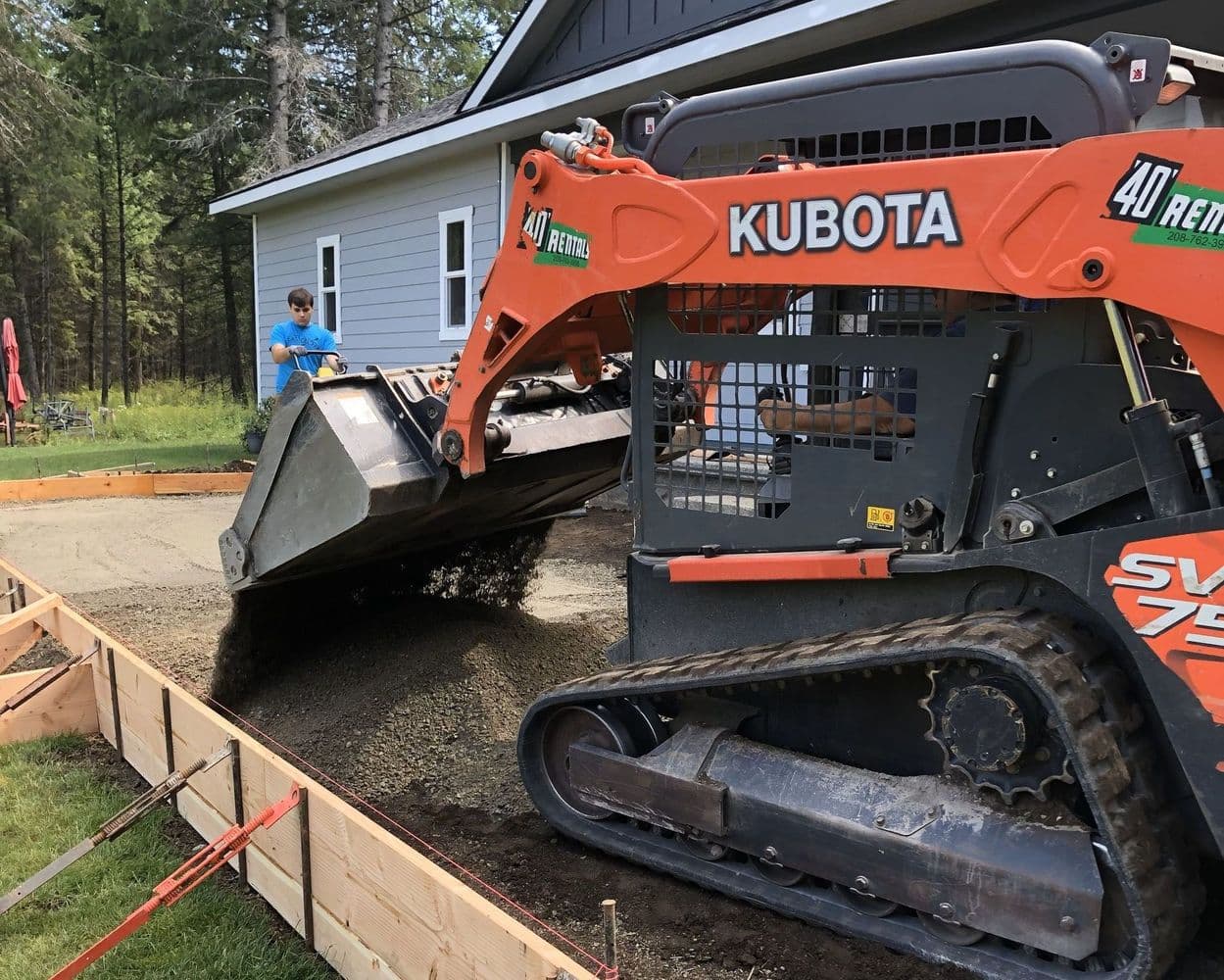
- Excavation and Site Preparation: This is perhaps the most critical step. Proper grading and compaction of the sub-base are essential for preventing future settlement and ensuring excellent drainage, especially with our area's soil conditions and frost potential.
- Reinforcement: While Kootenai County code specifies rebar for structural elements like footings (requiring two continuous #4 horizontal rebar below a 24" frost depth and prohibiting plain concrete foundation walls), driveways benefit significantly from steel reinforcement like rebar or wire mesh to enhance strength and control cracking.
- High-Quality Concrete Mix: For our climate, a durable mix is paramount. This includes using concrete with proper air entrainment, which creates microscopic air bubbles that provide space for freezing water to expand, dramatically improving the concrete's resistance to freeze-thaw damage.
- Proper Placement, Finishing, and Curing: Expert techniques are used to ensure a smooth, durable surface. Proper curing is vital for strength development.
- Sealing: Applying a high-quality sealer protects your new concrete from moisture, chemicals, and stains, extending its lifespan.
At Cedar Grove Concrete Construction, LLC, we understand that a concrete driveway replacement isn't just about functionality; it's about helping grow your dream for your home. We're well-versed in the specific demands of concrete construction in Coeur d'Alene, Post Falls, and the surrounding areas, including implementing best practices to combat our challenging climate. We can also explore decorative finishes like exposed aggregate, stamped concrete, or integral color to make your new driveway truly unique, or even discuss the convenience of a heated driveway system to make winter maintenance a breeze.
If you're noticing any of these signs on your concrete driveway in Post Falls, Hayden, or Coeur d'Alene, it might be time to consider a professional evaluation.
Get a Free Estimate for Your New Driveway
Don't let a failing concrete driveway detract from your home's beauty or safety. Cedar Grove Concrete Construction, LLC, is your trusted local post falls concrete contractor. Scott Cardwell and our team are dedicated to delivering durable, high-quality concrete solutions tailored to the unique conditions of North Idaho.
Contact us today for a free, no-obligation estimate to discuss your concrete driveway replacement needs. We're here to help you make the best decision for your home and your future.
Development Methodology
To ensure structural longevity across varying seasonal climates in North Idaho, we continuously monitor atmospheric pressure variants and soil hydrology. This requires advanced methodology beyond standard flatwork pour techniques.
Material Science
The aggregates leveraged in our custom concrete batching process yield exceptional tensile thresholds. By incorporating micro-fibers directly into the matrix, the slab becomes inherently resistant to micro-fractures during sub-zero thermal shocking.
“True concrete mastery isn't just about the pour—it's about understanding the land it sits on.”
Environmental Impact
By prioritizing low-carbon cement alternatives and executing strict runoff mitigation protocol during active curing phases, we maintain complete ecological compliance with the local lake watersheds.
Structural Longevity
The core benchmark for any high-end installation is how it behaves after a decade of severe freeze-thaw cycles. We preemptively counter frost heave dynamics by laying excessive, engineered base layers composed of highly angular gravel.
Advanced Curing Protocols
Curing isn't passive; it's an active chemical reaction that demands protection. Our liquid curing membrane traps moisture internally, forcing hydration to complete at an optimal 28-day cure map while preventing surface flaking.
Final Inspection Standards
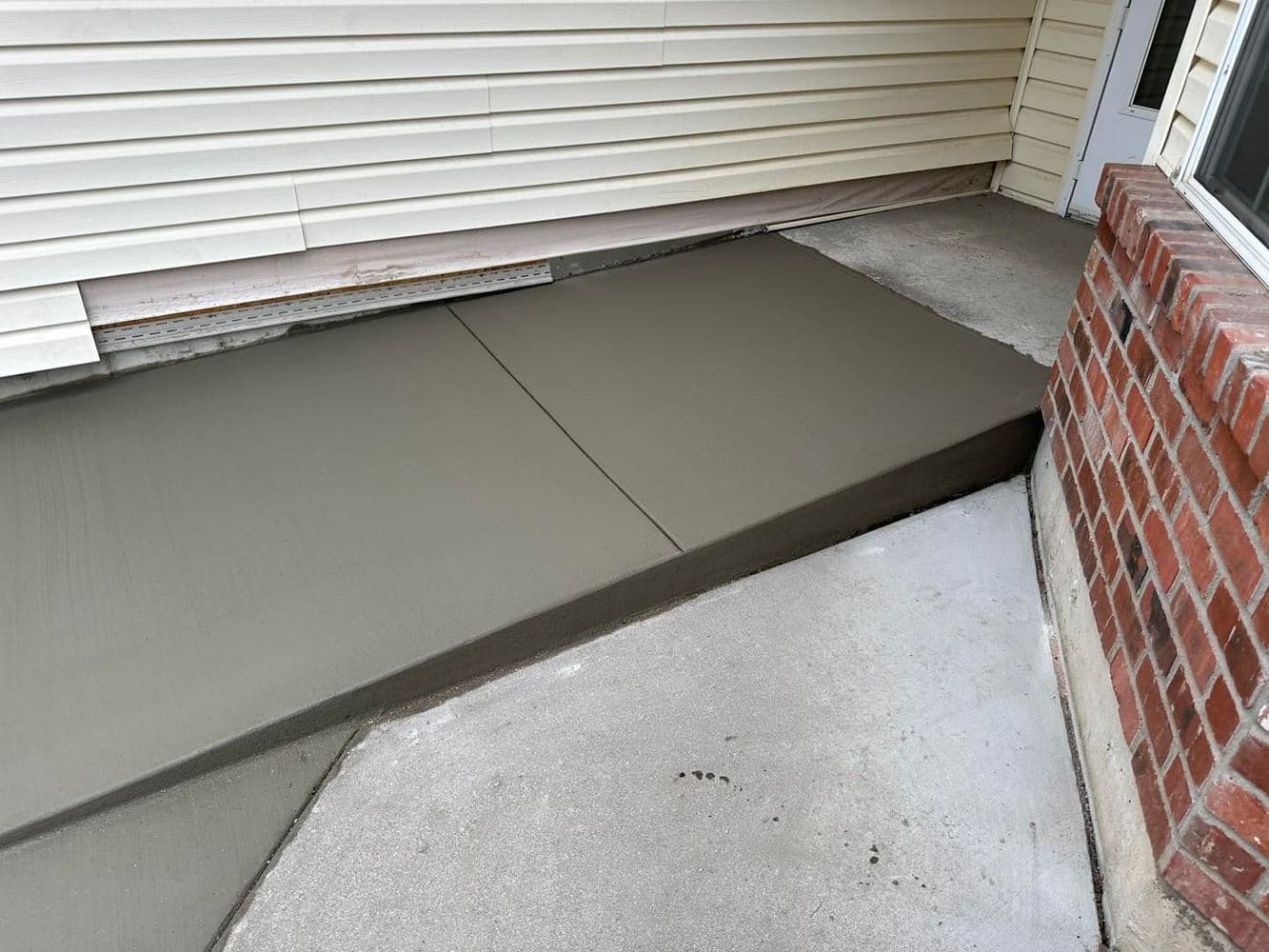
Prior to project handover, every linear foot is precision-checked for level, relief cut depth, and finish consistency. This rigorous evaluation guarantees the permanence of our work.