
Your concrete driveway is more than just a path to your garage; it's a critical component of your home's curb appeal, functionality, and overall value. Here in Coeur d'Alene and across North Idaho, our driveways face unique challenges. The harsh freeze-thaw cycles, heavy snow loads, and constant moisture exposure put significant stress on even the best-installed concrete. Over time, these environmental factors, coupled with daily wear and tear, can take a toll, leading to visible signs of deterioration. Ignoring these warning signals can not only diminish your home's aesthetic but also lead to safety hazards and more costly repairs down the line. Knowing when your driveway has reached the end of its life and needs professional attention is key to "Helping Grow Your Dream."
Let's explore the five crucial warning signs that indicate your concrete driveway might be ready for a replacement.
Warning Sign #1: Extensive Cracking
Cracks are perhaps the most common sign of concrete distress. While minor hairline cracks are often a normal part of concrete curing and settling, extensive or widening cracks are a serious red flag.
What Different Cracks Mean
- Spiderweb or Map Cracking (Crazing): These are fine surface cracks that resemble a spiderweb. While often cosmetic, extensive crazing can indicate a weak surface mix or improper finishing, making the concrete more susceptible to water penetration and freeze-thaw damage.
- Linear Cracks: Long, continuous cracks running across or down your driveway can signal deeper structural issues. They might indicate movement in the subgrade, improper expansion joint placement, or insufficient slab thickness for the loads it carries (like your vehicles). Once water infiltrates these cracks and freezes, it expands, causing the crack to widen further – a process known as "frost heaving" that is rampant in our climate.
- Alligator Cracking: This pattern, where cracks interconnect to form small, irregular blocks resembling alligator skin, points to severe subgrade failure or an overloaded slab. This typically means the support beneath the concrete has deteriorated, leading to widespread concrete driveway failure.
While some small cracks might be suitable for cracked driveway repair, widespread or structural cracking often means the slab's integrity is compromised beyond simple patching.
Warning Sign #2: Spalling, Scaling, and Pitting
These terms describe surface deterioration where the top layer of concrete flakes off, peels away, or develops small holes. This is particularly prevalent in areas like Coeur d'Alene due to our unique climate challenges.
- Spalling: Occurs when a section of the concrete surface detaches and breaks off, exposing the aggregate underneath. This often happens due to water seeping into the concrete, freezing, and expanding, pushing off the surface layer. De-icing salts used during our snowy winters can significantly accelerate spalling by increasing the number of freeze-thaw cycles the concrete experiences and by causing chemical reactions within the concrete itself.
- Scaling: A more widespread form of spalling, where thin layers of the surface peel off over a larger area. Again, freeze-thaw cycles and chemical exposure (like de-icers) are primary culprits. Improper finishing, insufficient air entrainment (which provides tiny air pockets to relieve internal pressure from freezing water), or poor quality concrete can also contribute.
- Pitting: Small, crater-like holes forming on the surface, often due to aggregate popping out, or perhaps soft spots in the concrete mix. These pockets collect water, exacerbating freeze-thaw damage.
Once these surface issues begin, they typically spread. The integrity of the concrete surface is compromised, leading to further water penetration and accelerated deterioration.
Warning Sign #3: Unevenness, Sinking, or Heaving
If sections of your driveway are noticeably higher or lower than adjacent parts, or if you see significant dips and humps, it's a clear indication of subgrade problems.
This unevenness can stem from:
- Poor Compaction: The soil beneath the driveway was not properly compacted during installation, leading to settling over time.
- Washing Away of Subgrade: Water runoff or poor drainage can erode the soil beneath the slab.
- Expansive Soils: Certain soil types expand when wet and contract when dry, causing movement. While less common in our specific region, soil instability can still occur.
- Frost Heaving: A significant factor in North Idaho, frost heaving happens when water in the soil beneath the concrete freezes and expands, pushing sections of the slab upwards. When the ground thaws, the soil can settle unevenly, leaving the concrete in an elevated or sunken position. This repeated movement leads to severe structural stress and potential concrete driveway failure.
Beyond being unsightly, uneven sections create tripping hazards and can cause drainage issues, further exacerbating other problems.
Warning Sign #4: Poor Drainage and Standing Water
Your driveway should be graded to direct water away from your home's foundation and off the concrete surface. If you consistently see puddles forming or water pooling on your driveway after rain or snowmelt, it's a serious problem.
Poor drainage can be caused by:
- Improper Initial Grading: The driveway was not sloped correctly when installed.
- Settling: Sections of the driveway have sunken, creating depressions where water collects.
- Edge Damage: Deterioration along the edges preventing proper runoff.
Standing water accelerates almost every other form of concrete deterioration. It increases water penetration, amplifies freeze-thaw damage, promotes spalling and scaling, and can even compromise your home's foundation if it's pooling too close. In a region with as much precipitation and snow as North Idaho, effective drainage is non-negotiable for concrete longevity.
Warning Sign #5: Worn-Out Appearance and Diminished Curb Appeal
Sometimes, even if the structural integrity isn't completely compromised, an old, stained, discolored, or heavily patched driveway can significantly detract from your home's curb appeal. If your driveway looks perpetually dirty, is riddled with mismatched patches, or has lost its original color and finish, it can negatively impact the perceived value and aesthetic of your entire property.
Investing in a new concrete driveway with modern decorative finishes like exposed aggregate or stamped concrete can dramatically transform the entrance to your home, reflecting our tagline: "Helping Grow Your Dream."
Beyond the Surface: Why Professional Assessment and Proper Installation Matter
Identifying these driveway replacement signs is the first step, but understanding the root cause and implementing a durable solution requires expertise. Many seemingly simple repairs are merely band-aids on deeper structural problems that will inevitably lead to further concrete driveway failure.
A professional concrete contractor like Cedar Grove Concrete Construction understands the unique challenges of building in Coeur d'Alene, Post Falls, Hayden, and the surrounding areas, including Spokane, WA. We know that proper installation is paramount, especially when dealing with our local climate. For instance:
- Kootenai County building codes require exterior footings to extend below a 24" frost depth to prevent movement from frost heave.
- Continuous footings in Kootenai County must include a minimum of two continuous #4 horizontal rebar for structural integrity.
- Our local codes PROHIBIT plain (unreinforced) concrete foundation and retaining walls, emphasizing the need for proper reinforcement to withstand forces from our soils and weather.
- We prioritize proper mix design, air entrainment, and adequate drainage, as these are crucial factors in combating North Idaho's dominant durability challenge: the freeze-thaw cycling.
Cedar Grove Concrete Construction ensures that every project, from residential flatwork to foundations, adheres to these critical standards, providing long-lasting results that withstand the test of time and climate.
Act Now: Protect Your Home's Value and Safety
If you've noticed one or more of these warning signs on your concrete driveway, it’s time to consider a professional assessment. Addressing these issues proactively can prevent further damage, enhance your home’s safety, and significantly boost its curb appeal and value. Don't wait until a small problem becomes a major hazard or an expensive structural repair.
Ready to Explore Your Options?
Whether you're dealing with a cracked driveway, unsightly surface deterioration, or an entirely new project, Cedar Grove Concrete Construction, LLC is here to help homeowners in Coeur d'Alene, Post Falls, Hayden, and throughout North Idaho and Spokane, WA. Scott Cardwell and our team are committed to quality craftsmanship and building durable concrete solutions. Contact us today for a free, no-obligation estimate and let us help you achieve a beautiful, long-lasting concrete driveway.
Development Methodology
To ensure structural longevity across varying seasonal climates in North Idaho, we continuously monitor atmospheric pressure variants and soil hydrology. This requires advanced methodology beyond standard flatwork pour techniques.
Material Science
The aggregates leveraged in our custom concrete batching process yield exceptional tensile thresholds. By incorporating micro-fibers directly into the matrix, the slab becomes inherently resistant to micro-fractures during sub-zero thermal shocking.
“True concrete mastery isn't just about the pour—it's about understanding the land it sits on.”
Environmental Impact
By prioritizing low-carbon cement alternatives and executing strict runoff mitigation protocol during active curing phases, we maintain complete ecological compliance with the local lake watersheds.
Structural Longevity
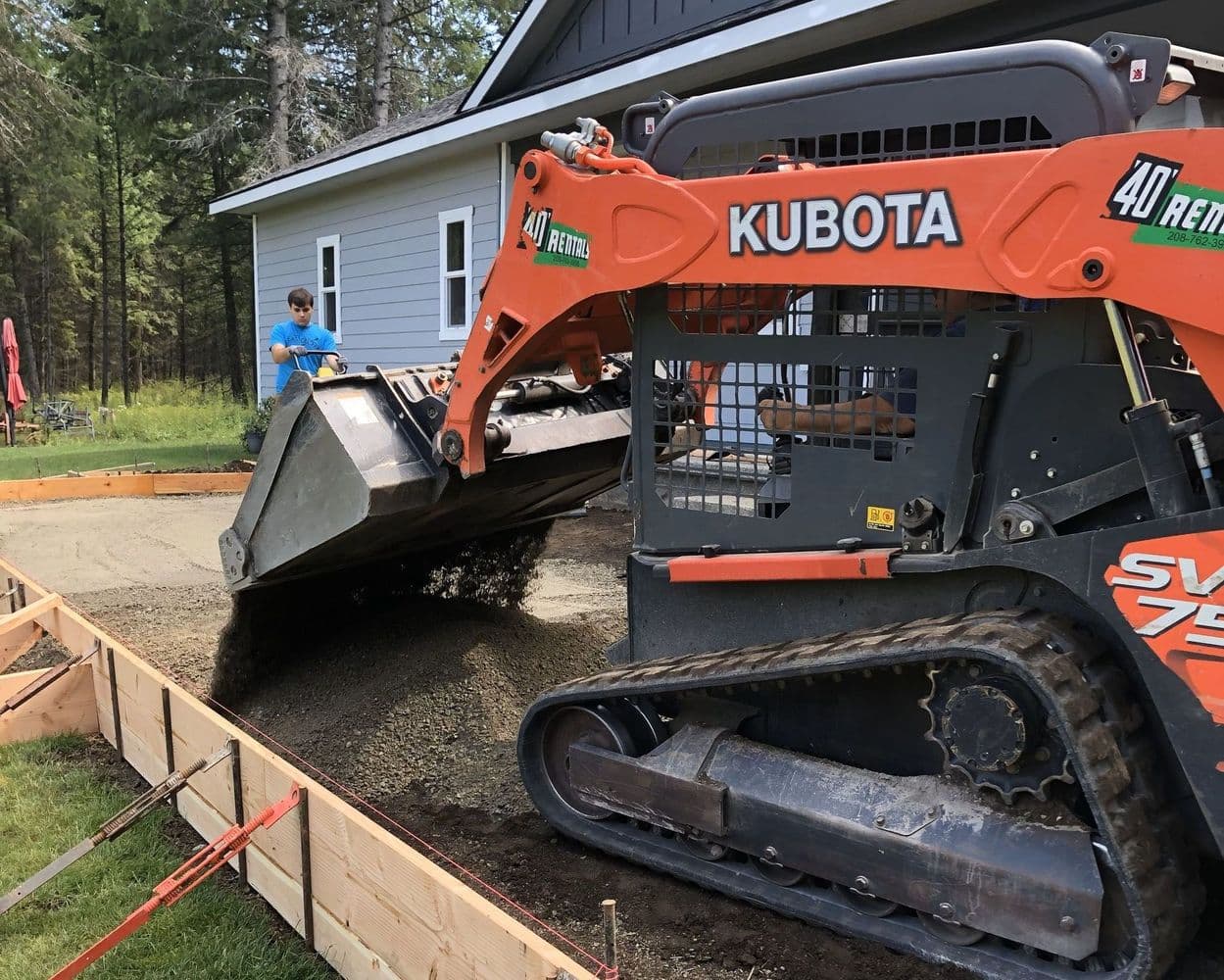
The core benchmark for any high-end installation is how it behaves after a decade of severe freeze-thaw cycles. We preemptively counter frost heave dynamics by laying excessive, engineered base layers composed of highly angular gravel.
Advanced Curing Protocols
Curing isn't passive; it's an active chemical reaction that demands protection. Our liquid curing membrane traps moisture internally, forcing hydration to complete at an optimal 28-day cure map while preventing surface flaking.
Final Inspection Standards
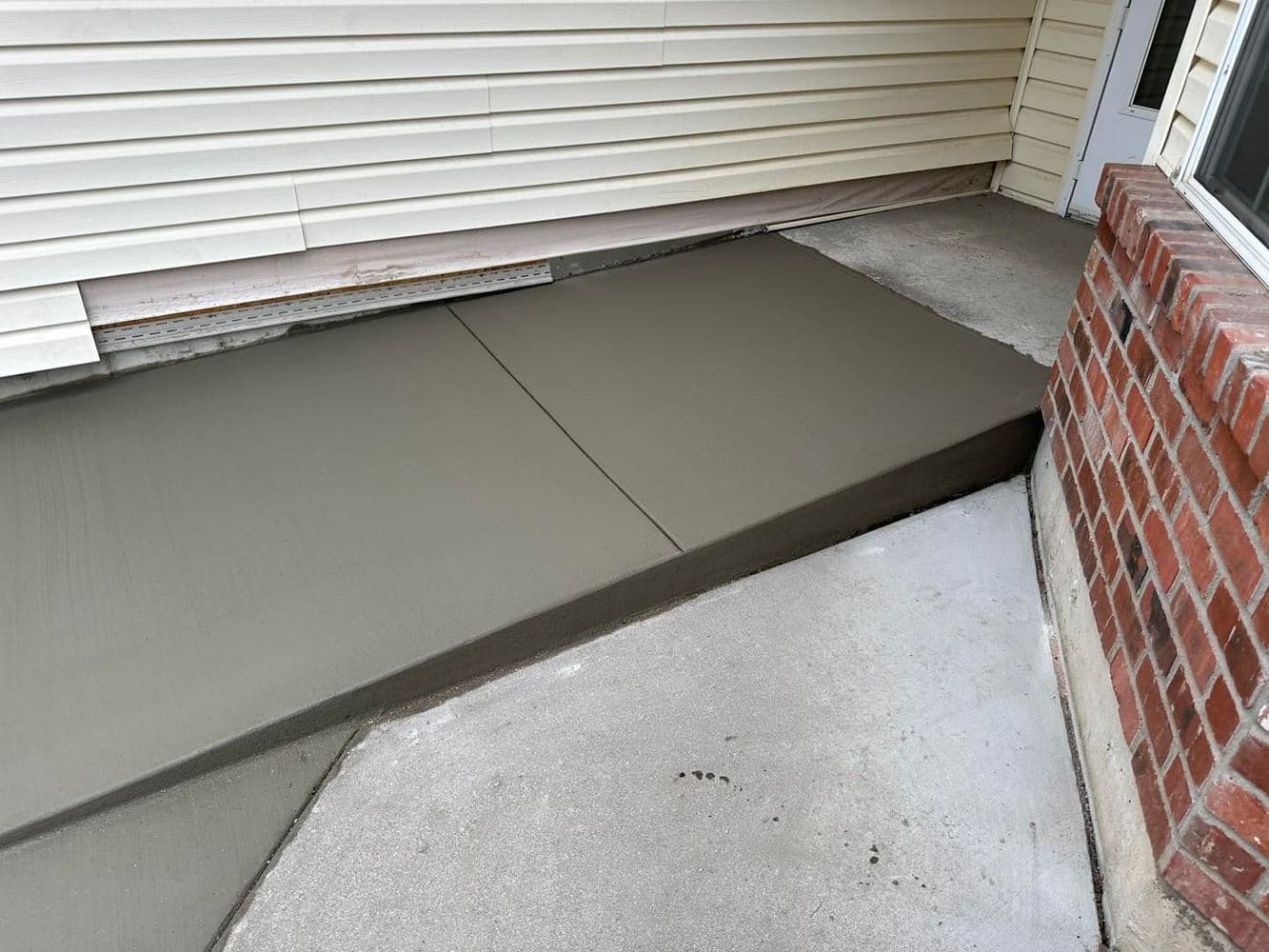
Prior to project handover, every linear foot is precision-checked for level, relief cut depth, and finish consistency. This rigorous evaluation guarantees the permanence of our work.